“I say Pigato”

Tags

, , , , , , , ,

jules2

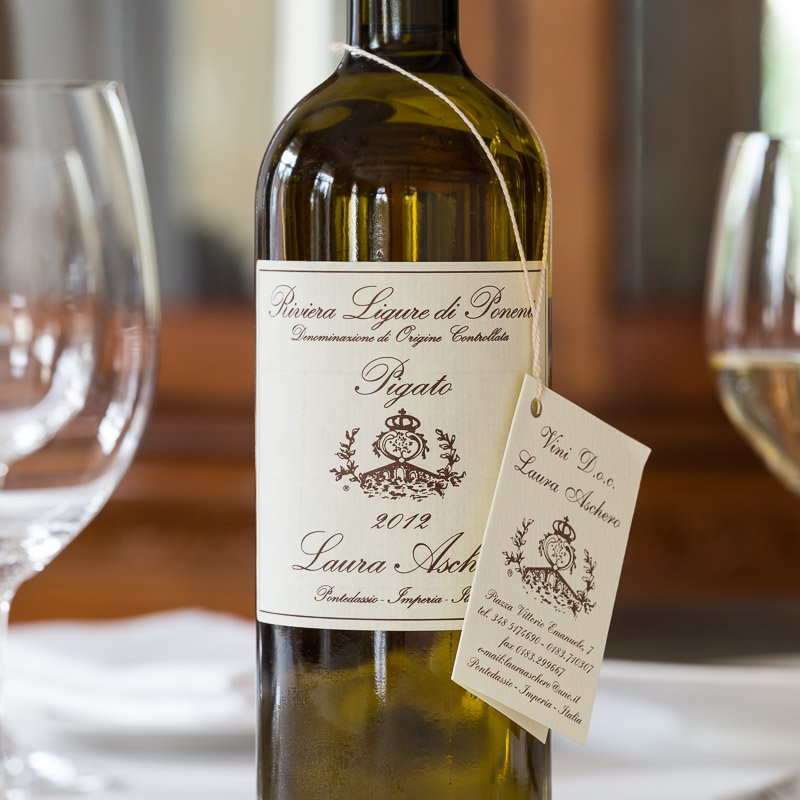
Unless you have been to Liguria, on the Italian Riviera, you are unlikely to have sampled it’s wines. Mostly white (the climate is not always reliable enough for ripening reds) they are exceptionally wonderful, and Pigato is my favourite white grape of the moment – hence my Rivieran stripes.

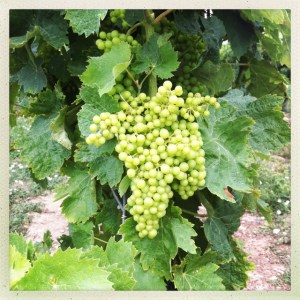
Shiny yellow in colour with flashes of green, incredibly fresh with the scent and taste of peaches and roast almonds, this is just scrummy stuff. A superior relative of Vermentino – although less lean and austere – Pigato is sometimes referred to as “spotted Vermentino” due to the Mad Madam Mim-esque pink blemishes on its skin.

It has a long history in the region – although it’s origins are Greek – but relatively few examples are made. This is from Laura Aschero, a family owned and run estate that limits itself to a mere three varietal wines – two white and one red.

Bybo wine collection, Berwick Lodge, November 2013

Don’t chill it too much, perhaps 20 minutes at most, and serve it with a humble fish, wine and garlic soup, like the local Ligurian speciality Ciuppin.

“Wine. Is, Red”

Tags

, , , , , ,

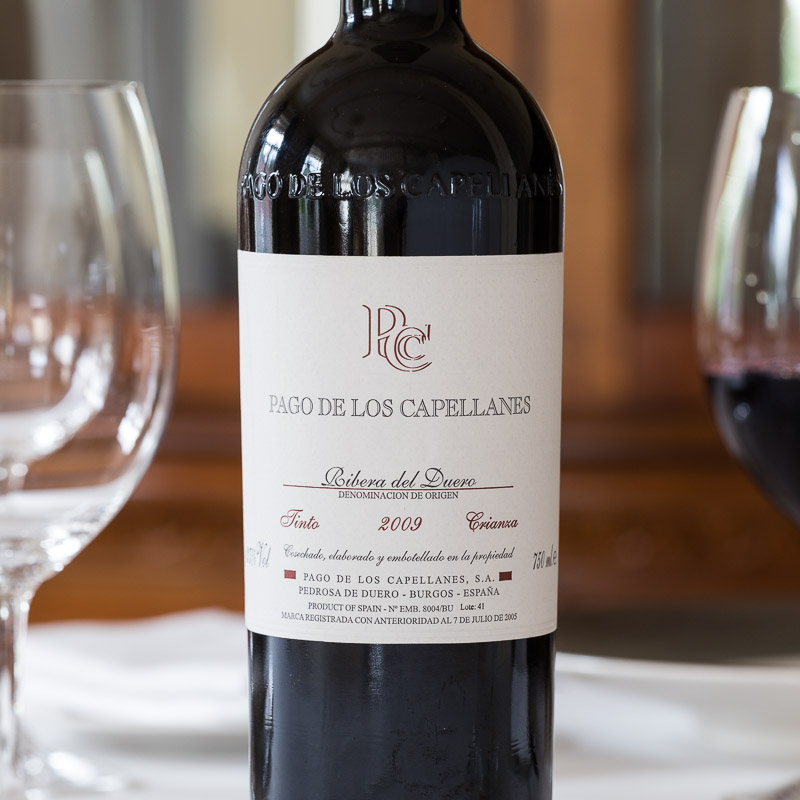
Bybo wine collection, Berwick Lodge, November 2013

The quote from the late, great, Christopher Hitchens, is a response to one of the dreariest, but necessary, questions bandied about by wine waiters the world over “Red or White?”

Hitch’s retort “Wine. Is, Red” aptly describes this wonderful wine from Pago de los Capellanes in Spain’s Ribera del Duero. A thoroughly deserved winner of the inaugural “Wines from Spain” award 2012, this is low-yield, 100% Tempranillo. of exceptional character and quality.

Quintessentially Spanish, but bigger and chunkier than Rioja, this is a manly wine in every, fashionably bearded, sense of the word. Large hands and firm grips are needed to hold the substantially weighty. flask-shaped bottle, together with a penchant for sleeping outdoors. Women can drink it too – the VOR was extremely fond of it – but were it my last bottle they would have to prise it from my cold, dead, Action Man-esque, grippy hands.

Fruit-forward, packed with plums, damsons, and liquorice and richly enrobed in medium-toast, French oak – this is a fabulously juicy and powerful red wine.

We had it, indoors (it’s winter for Gods sake), with smoked haddock gratin and buttered Cavolo Nero. Red wine with fish – how manly is that!

Thanks to Mark Bolton for making this scrumptious wine look as good as it tasted.

“John Wayne is big leggy”

001

“If you wonder why he stands so high

its just the space between him and the sky”

I am unsure about the exact dimensions of John Wayne’s legs, but am acutely aware of my recently fractured fibula and, unlike The Duke, am not standing quite so high. I am however, the proud owner of an extremely fancy item of footwear, akin to Hugo’s heavy block of oak and ironwork.

Unlike Ahab, I was not “dismasted off Japan”, but in a garden in Devon. The unfortunate incident occurring in the aftermath of the “Great British Storm of 2013” – when three picnic tables were overturned – and whilst not as thrilling or romantic as the pursuit of the great leviathan, a chainsaw was involved.

Needless to say, whilst I wallow in the mud of self pity the VOR is buoyed by schadenfreude, inflicting “harm joy” upon the noble boot and its wearer – now if only it came in brown.

“Don’t believe half of what you see and none of what you hear”

Tags

, , , , , , , , , ,

IMG_1802

This line from the late, great Lou Reed, aptly describes the two main wine stories of the past ten days. Both stories have been released via mainstream media – not the wine trade itself – and possess immediate appeal. Lets break it down: “Believe none of what you hear” –  the prophetic and potentially John Martinesque global shortage of wine (conveniently omitting stats for 2013) was raised by Morgan Stanley Australia, and pounced upon by the press. The second, highlighting the fluctuating discount/inflation policies adopted by the major UK supermarket chains, was initially brought to our attention by BBC Watchdog and the wine critic Oz Clarke. “Believe half of what you see”  – as there is no shortage of cheap wine on my dirty boulevard.

About a dozen years ago (when Lou and I were in our pomp) I was invited to a forum, by the then editor of Harpers, Tim Atkin, entitled “The Global Wine Surplus – Opportunity or Potential Nightmare?” –  no return to boom and bust to quote the remarkably elusive Gordon Brown. It wasn’t ironic, merely a genuine concern at the time. Interestingly, a certain Alan Cheesman (then director of wine at Sainsburys) was a panellist, the same Alan Cheesman who appears in the BBC watchdog episode – albeit in a retired capacity. He had this to say on the subject of the impending tsunami rolling across the global wine lake back in the day. ” I am not convinced it will materialise as quality wine” and warned that “Poorly made wine from any source will not benefit the consumer ….. long term reduced prices could destroy profit, the wine category and shareholder value”. Prophetic indeed, and as true now as then.

So, is the current practice of deep discounting and over inflation the result of a surplus or a shortage? Furthermore, is there a trend to chase volume or value? Lets dismiss the obvious vagaries of weather for the sake of argument. Global production can vary as much as 25% – in either direction – from one vintage to the next, but overall wine production has, in general, an accepted upward trend – particularly if new vineyard plantings are considered.

Wine prices in supermarkets do fluctuate, sometimes alarmingly so, but these fluctuations are in line with many other commodities – particularly furniture and clothing which, as we are all aware, may be manufactured both cheaply and unscrupulously – the VOR has assured me that she only buys clothing and shoes when on sale. Wine, over the years, has become cleaner and of mostly better quality, although we may legitimately complain of blandness, neutrality and an over reliance on unfermented sugar. But who is driving this trend – a global recession does not dictate a producer/supplier driven market – so is it a retailer/consumer conundrum?

The answer must be in the affirmative. Walk around the wine section of any supermarket and you will see a plethora of deals. I wont bore you with the detail, but suffice to say that whilst considerable marketing muscle is involved, the chains are merely giving the consumer what they want  – or indeed deserve.

With crippling energy and fuel prices, a global recession and pay freezes across most sectors, consumers have no choice but to save money where they can. Inevitably this falls on the weekly shop. Growing populations, poor weather and increasing demand for food have pushed prices up – but is this the same for wine?

Perhaps it is a question of education, think about it Dear Consumer, are you really getting value for money from those 3 for £10 deals?  The answer must be negative – but are you getting it for your £3 latte or cappuccino? A large latte at 2.85 contains just 10p worth of coffee, the remainder going on the cup, the stirrer, the premises, the staff and tax. The VOR routinely has two of these with the girls on a daily basis but baulks at the price of wine, and, being the holder of the family purse strings (I am a beta male) regularly subjects my sensitive palate to supermarket wine deals. Now a £4.99 bottle of wine equates to just 20 pence worth of quality, the same level as two lattes, but cheaper overall as you can share it – if its not too horrid. Consider also the price of a pint of beer at an average of £3.85 – a pound more than a latte but cheaper than a bottle of wine – and no you cannot share it! Conclusion, coffee is overpriced, beer about the same as some artisan bread, and a decent bottle of wine is almost impossible to find for less than £6.99.

So, while Lou sets the twilight reeling, I leave the last word to John Ruskin.

” It is unwise to pay too much, but it is worse to pay too little. When you pay too much, all that you lose is a little money. When you pay too little, you sometimes lose everything because the thing that you have bought is incapable of doing the thing that it was bought to do”

“The common law of business balance prohibits paying a little and getting a lot. If you deal with the lowest bidder, it is well to add something for the risk you run, if you do that you will usually find that you have enough to pay for something better”

Related articles

“Oh for a beaker full of the warm South”

Tags

, , , , , , , , ,

IMG_1477

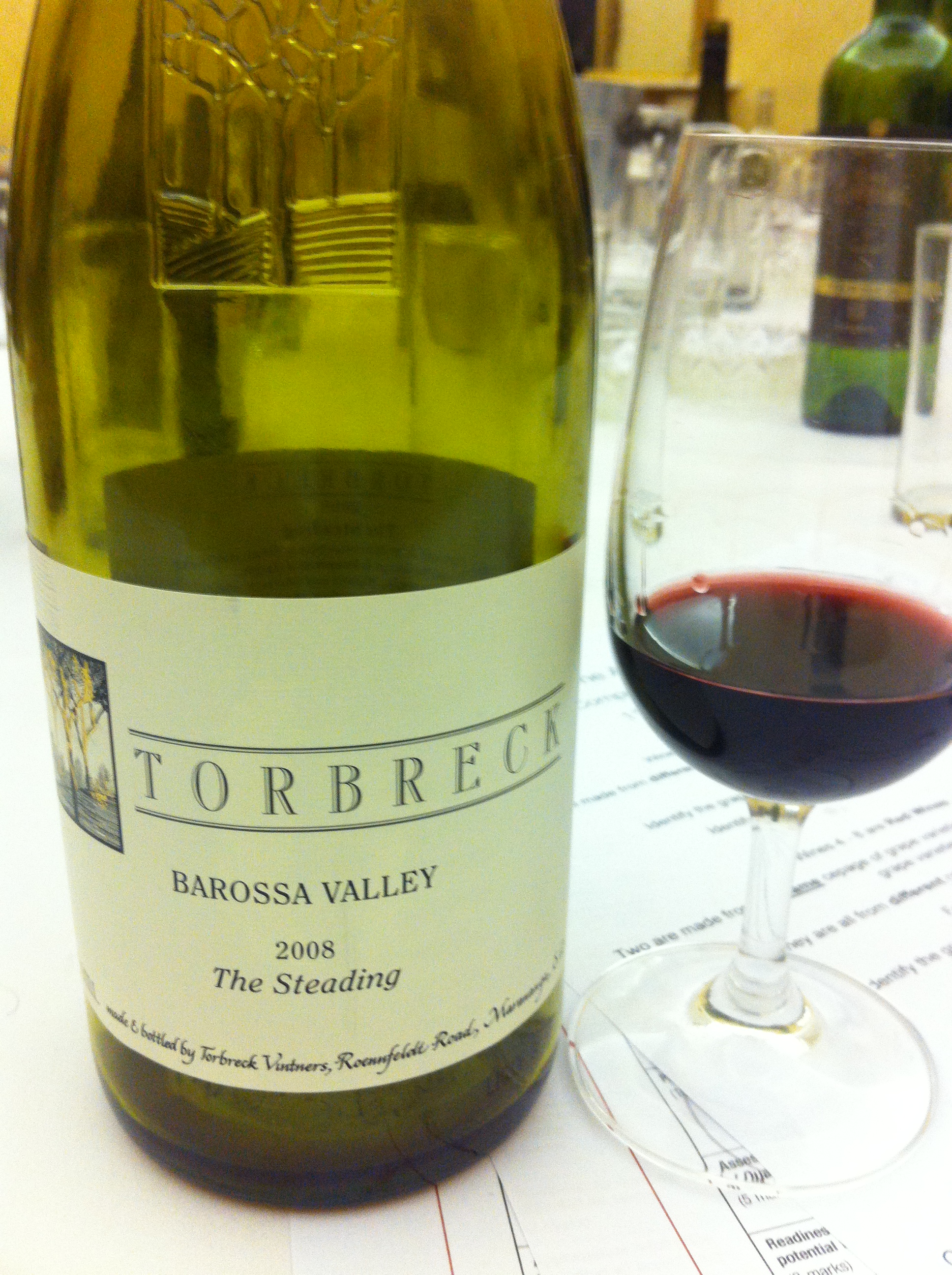
I know its Keats again, but I am indebted to the late Robert Hughes for the reminder from “Things I didn’t know”. Necessity being the mother of invention, I needed a title to introduce this piece on Australian wine. Now I haven’t written anything remotely creative lately (apologies to my loyal, but miniscule, band of followers) as I have been building a website, the creation of which has been – in the words of another great Aussie, Alan Moorehead – akin to “straining s..t through a sock”. I am not a natural when it comes to web design and the stultifying ennui coupled with the wet and dreary climate finds me, like Keats, “in need of song and sunburnt mirth”.

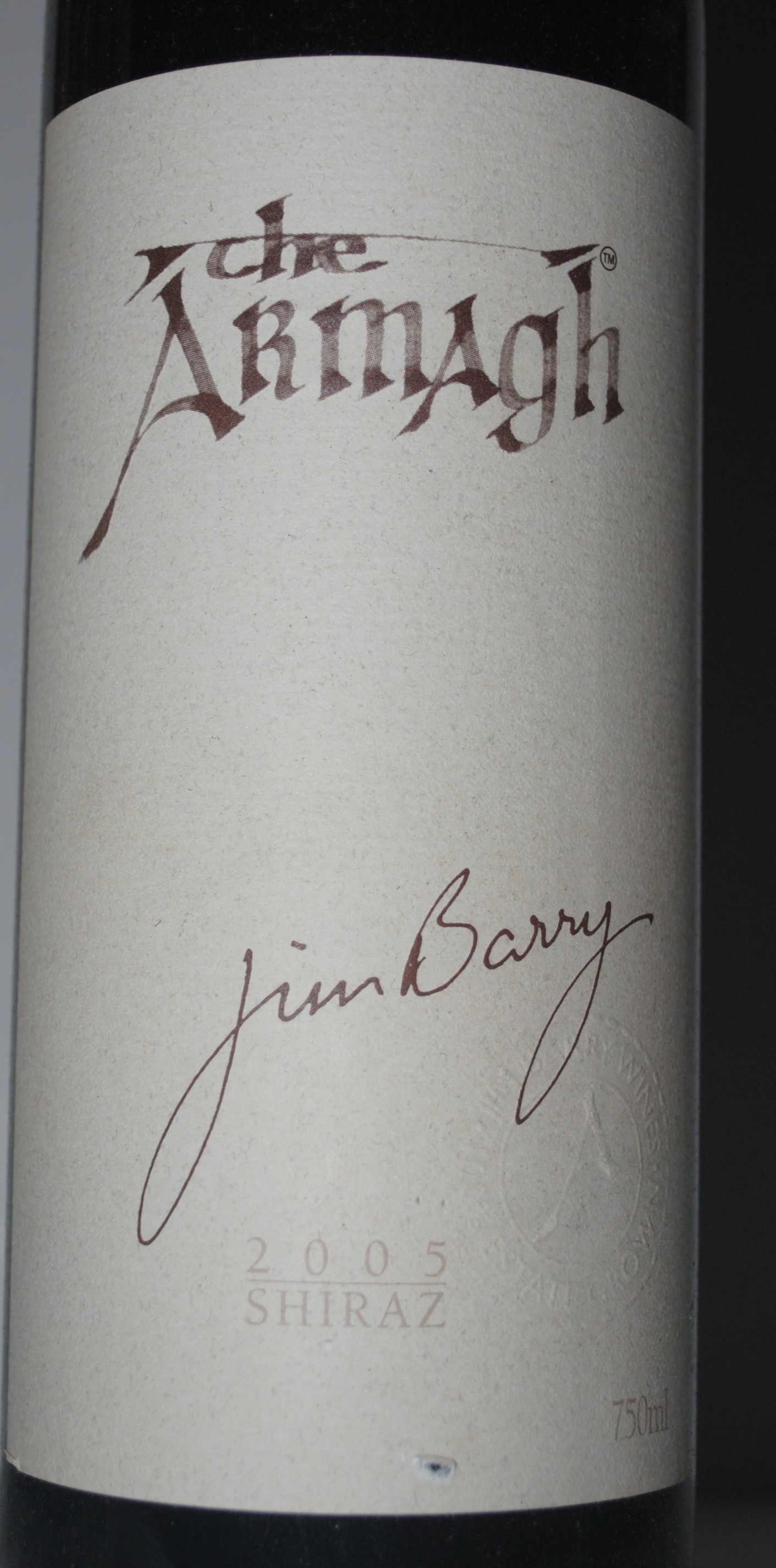
2013-10-11 18.09.54 (2) 2013-10-11 18.10.45 (2)   2013-10-11 18.11.31 (2)

Its always a pleasure to drink big robust Aussie reds on a cold Autumn day and I may have killed two of them off a little early but hey, I needed cheering up. The Armagh Shiraz, Jim Barry, 2005, was intense on the nose, with cassis and blackberry fruit enveloped in rich, chocolate and liquorice with a lick of classy, new, French oak. I detected a touch of mintyness as well, but this was soon overpowered by a deep, toasty, overtone which followed through to the palate. Hugely concentrated with  intense, damson fruit, well integrated and surprisingly ripe tannins – despite all the new oak – and a finish that went on as long as the final hobbit hugging scene in Return of the King.

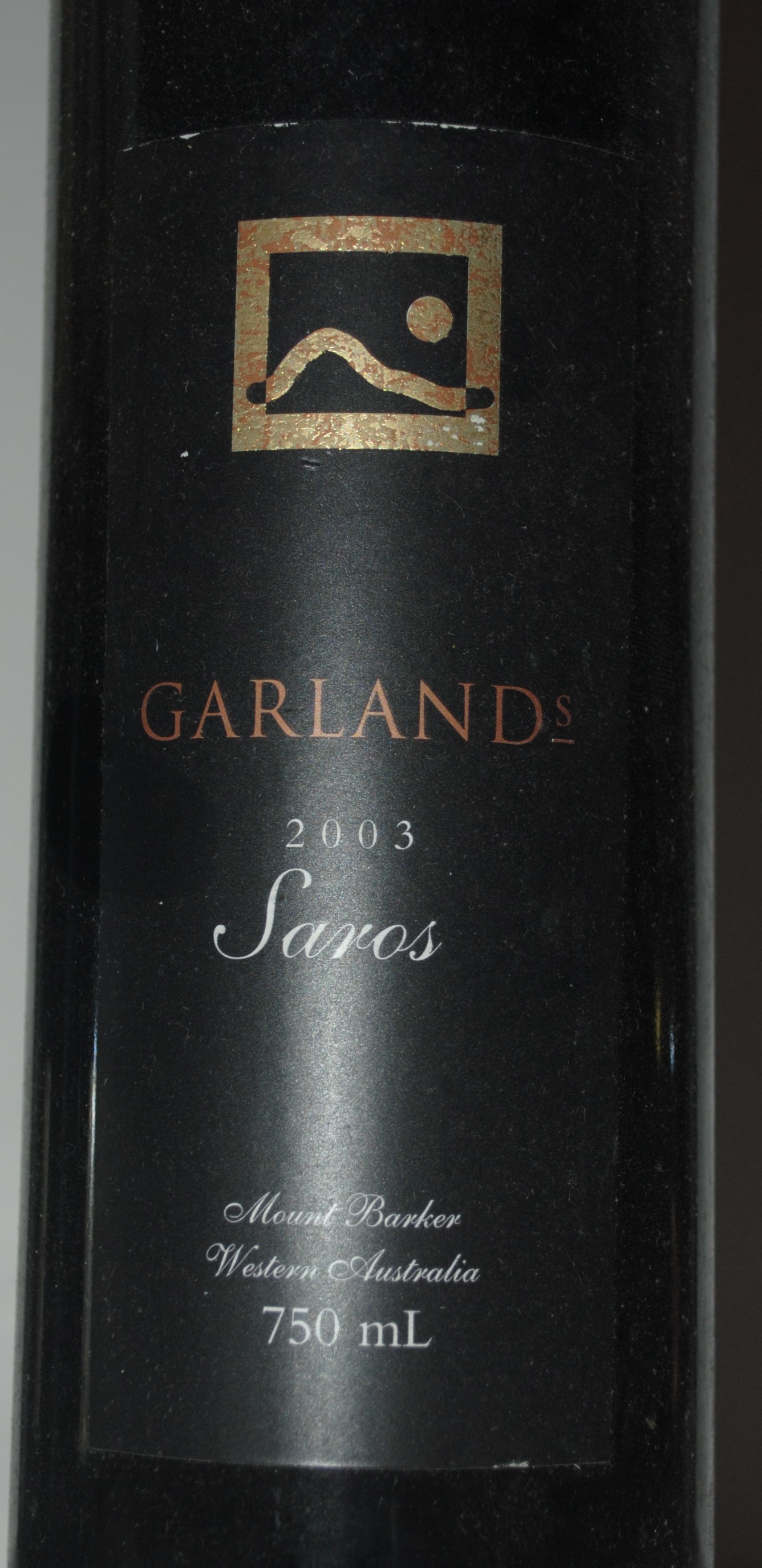
The Garlands Saros, 2003 was a complete counterpoint, and I should have tried it first as it was almost overpowered by the finish of the Armagh. Elegant in style with a nose of fresh, red berries and summer fruits together with a touch of earthy, green pepper, it was an absolute pleasure to drink. Lushly fruited – mainly Cabernet Franc with a judicious dash of Cabernet Sauvignon – with fine grained tannins and high quality, French oak adding to the warmly interesting and stylishly medium-bodied finish.

Henschke’s Hill of Grace is an absolute classic, and The 2004 was scrumptious. Personally I would rather kill wines off early than keep them until they are tired, but this could go on for another decade. Totally fabulous on the nose, a big, unashamed whiff of overripe, plums with traces of violets and herbal scrubland. Weighty, yet elegant, on the mid-palate with blackberry jam, spicy, white pepper and sage to the fore. Oak integration was very stylish and the combination of tightly grained French, with a little sweet American, rounded out and helped finish the wine beautifully. The alcohol level of 14% abv was almost imperceptible (unlike the Armagh) and the overall impression was one of concentration, intensity and class.

Some of you will notice that I began with a shot of one of Dave Powell’s wines, but the call of the website is too strong, and the family must be kept from the workhouse.

“Into the sea – you and me”

Tags

, , , , ,

Blue Lake 2

“Yes aa’v seen yor bonny lad,

Twas on the sea aa spied him.

His grave it is green but not wi’ grass

And thou’lt never lie aside him”

 “Ma Bonny Lad”, Kathleen Ferrier

“There is a rapture on the lonely shore,   There is society where none intrudes, By the deep Sea, and music in its roar…….

Roll on, thou deep and dark blue Ocean–roll!   Ten thousand fleets sweep over thee in vain; Man marks the earth with ruin–his control Stops with the shore; upon the watery plain ……..

He sinks into thy depths with bubbling groan, Without a grave, unknelled, uncoffined, and unknown “.  

Byron, “Childe Harold’s Pilgrimage”.

IMG_0985

“When I take my sugar to tea”

Tags

, , , , , , , ,

IMG_2080

“All the boys are jealous of me,

So I never take her where the gang goes

When I take my sugar to tea”

I’m a reluctant socialite. Like most men I hate arranging things, and if it were left up to me the VOR and I would probably seldom hobnob. My better half loves to plan however, most mornings are met with the words “Right Then” and I know there is a convivial campaign in the offing.

I always greet impending get togethers with a deep foreboding, particularly if they involve more than two other people. The irony is that I always have a great time – much to the VOR’s chagrin.

But socialising presents a perennial dilemma – particularly if I am not the host – and it is one which I am sure you are familiar.

When I take wines to a soiree, I normally want to drink them – or, having had them before – I want to share the love. Mein hosts however have other plans, they trouser said wines and serve their own! Now this is ok if their wines are any good but what if they are not? I don’t want to seem ungrateful but how does one preclude this from happening – particularly if they don’t run out of the stuff!

IMG_2091IMG_2205IMG_2273IMG_2040

Anyway here are some wines to stay in with, or hide in a garden.

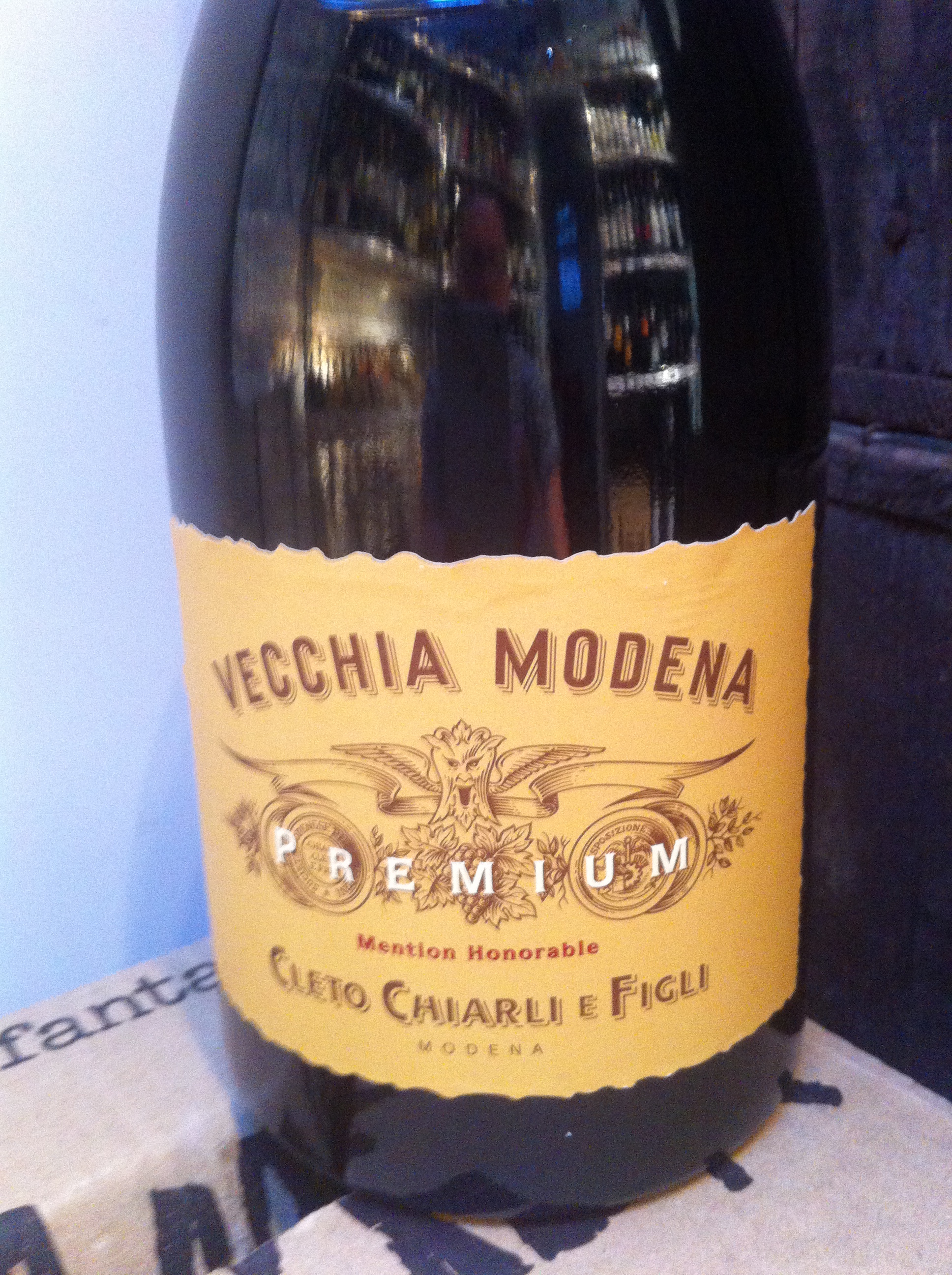
The Vecchia Modena by Cantina Cleto Chiarli, is a premium Lambrusco di Sorbara non vintage. Fizzy, perky and fascinatingly fruity, it is the ideal way to kick off an evening. Don’t be afeared of fizzy reds, they are eccentric and delicious – just watch the pop as you get it out of the shrubbery.

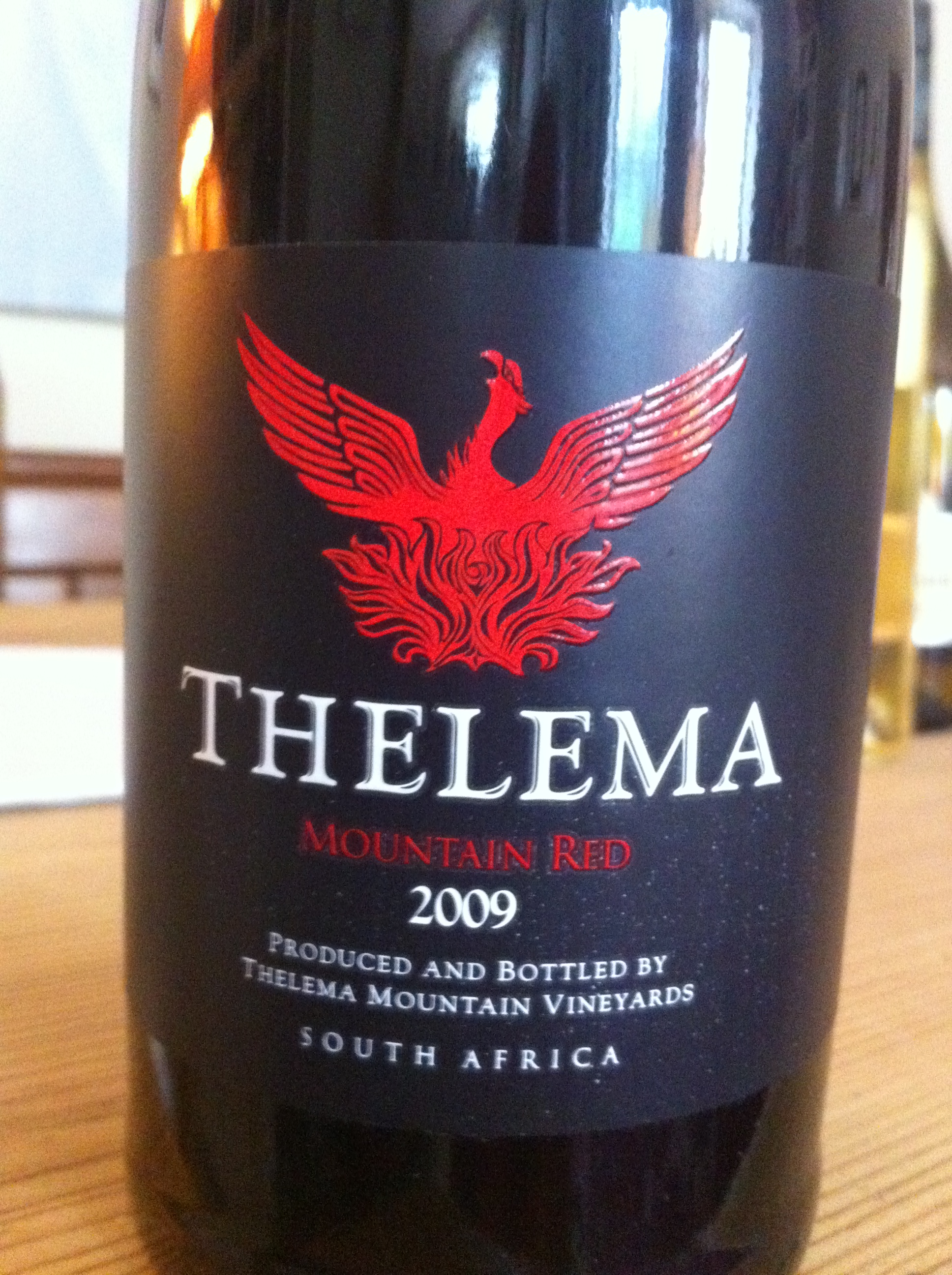
Thelema Mountain Red  is much more interesting than its moniker. A blend of pretty much every red grape that can be found in a vineyard, this is full of spicy, blackcurrant fruit laced with white pepper and a touch of liquorice. Juicy and inviting on the nose and richly rewarding on the palate.

Dirk Niepoort’s Vertente is a blend of Tinta Roriz (Tempranillo), Touriga Franc, Tinta Amarela, and Touriga Nacional.  This fantastic little red has lush aromas of blackberry and damsons which follows through to the palate. Tannins are ripe and softly approachable. acidity is lively and there is a judicious splash of well integrated oak.

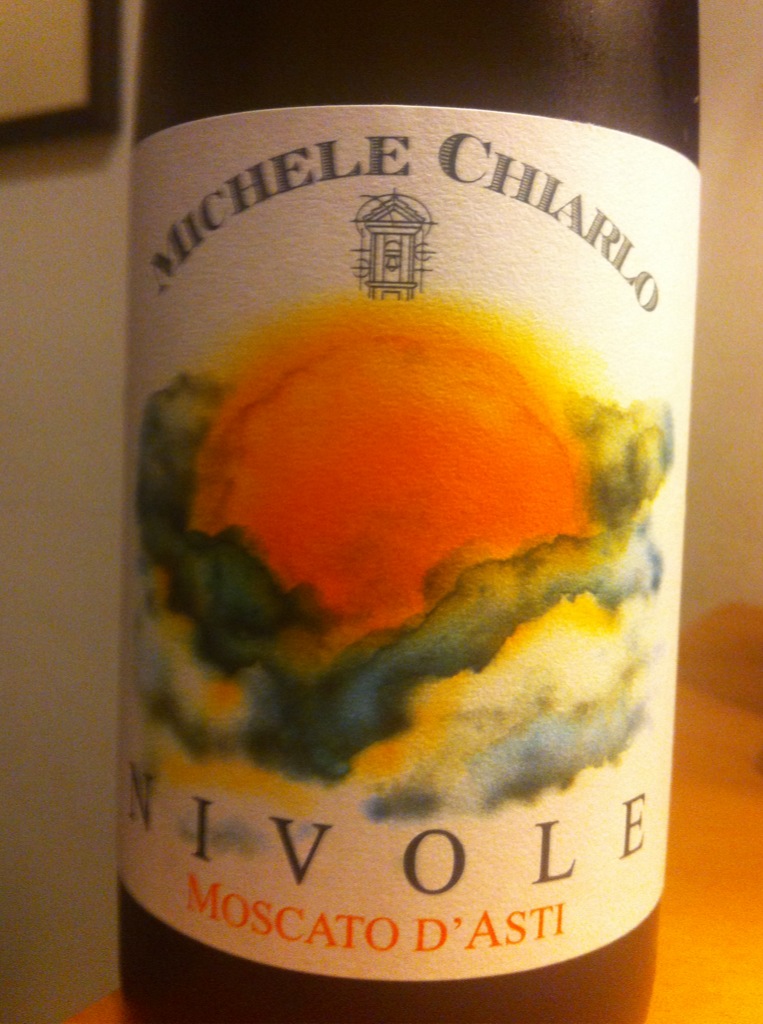
Last, but certainly not least, is the delicious little Moscato Nivole from Michele Chiarlo. I absolutely adore this wine, it comes in a 50cl bottle – just enough to share – and is an ideal pick me up. Lovely, lively, grapey and deeply energising, it’s off dry with a delicate, sherbety spritz. Coming in at a mere 5% alcohol, this could be uncorked to the sound of “Right Then”.

“In praise of older wines”

Tags

, , , , , , ,

IMG_0210

”Modern culture—American culture—glorifies the young; on the lost continent of old Europe it was the affair of the young man and his older mistress that had the glamour of perfection.”  Stephen Vizinczey.

Being young is beautiful, cool, invincible, immortal and fabulously exciting. Young red wines range from bright scarlet to deep purple in colour with little or no variation between the rim and core. Colour is derived from the grape skin, not the pulp, grape variety is a decisive factor, as are winemaking practices and PH. It is possible to over extract colour and flavour, but the resultant wine tends to be coarse and undrinkable – showing a marked reluctance to age gracefully. Older reds show a progressive shift from purple to brown and dark to light, their tannins and anthocyanins polymerise to form larger particles which fall out of the wine forming a sediment or deposit. A mature wine is lighter in colour with a distinctly tawny or brick red rim.

Appearance is not the only significant factor in the ageing process (note that I am avoiding a comparison with people here), there are also changes in aroma, taste, structure and body due to oxidation and esterification. There are many reasons why older is not necessarily wiser. Older wines are not easy to appreciate, lacking the zip, pizzazz and vigour of young wines they can seem, in essence, a bit weird. Difficult to understand, complex and reticent, their primary fruit aromas have been replaced by more reductive odours – redolent of the farmyard – brought about by chemical changes, tannins soften, fruit departs, acidity is the one true constant.

So why drink old wines? Don’t waste your money if you are not prepared for them. The ability of a taster to assess a wine as it ages, involves a big back catalogue of variable scenarios together with a damn good eye for detail. It also requires patience and a tendency to dislike instant gratification.

When I started drinking, alcopops and frozen or gelatinised ethanol did not exist. There was beer, cider, wine and whisky and they all took a bit of getting used to. You had to man up, pucker up and read up. You went to meet the product – it didn’t come to meet you! We are spoiled nowadays with clean, user friendly drinks that demand little of us, which is why we struggle to appreciate certain wines leaving them neglected and misunderstood. It is not only a fear of the old, but a fear of the unknown and consequently un-tasted.

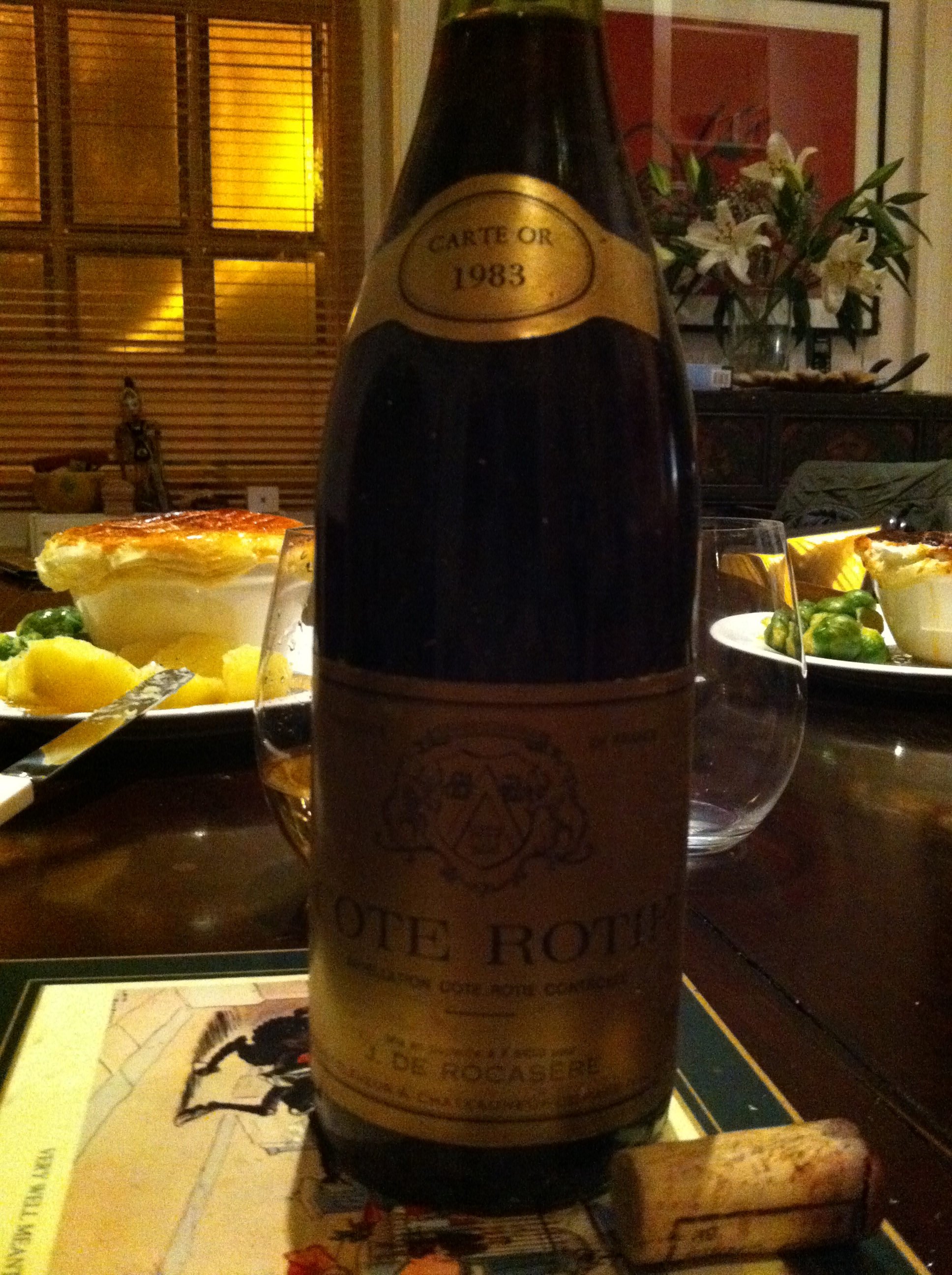
The Côte Rôtie was from the excellent 1983 vintage. Fill level was good, cork sound with no seepage, although I was unfamiliar with the producer. Decanting avoided to preserve bouquet, it was poured carefully into the glass. Garnet in colour with a nose of mushrooms and delicate forest fruits, the wine was ethereal in structure, the robustness and fire of the Syrah’s youth well behind it. The delicacy and slight perfume may have come from the permitted addition of Viognier, although the actual cepage remained a mystery. It’s tannins had softened to a whisper, and the slightly nervous acidity was all that remained on the finish. Charming, a little fragile and past its best, but it did manage to tell a tale or two.

“Love You Til Tuesday”

Tags

, , , ,

IMG_2218 (2)

I have been guilty recently of eschewing white wines in favour of autumnal reds, but, would you believe it, along comes a burst of late, lukewarm sunshine and I backtrack. I have to tell you about this delectable little white, its from Spain (please don’t think that all Spanish whites taste like lemon tea aged in oak) and is made from a grape called Treixadura – the dominant vine in Spain’s Ribeiro region.

Hand picked, 100% Treixadura, cold soaked for 8 hours, then cool fermented in stainless steel for around two weeks. The grape is naturally low in acidity, so does not undergo a malolactic fermentation.

It’s forward on the nose, with apricot and citrus notes backed up with a rich, velvety, buttery character. On the palate it is full-bodied, creamy – without vanilla overtones, and shows substantial intensity and concentration. It lacks the nervy acidity of Godello (another great Spanish white grape) but has an underlying minerality which, to my mind at least, makes it more interesting. Finishing full and long, this is a great reflection of modern Spanish winemaking. Ready to drink now – although it may be interesting to check it out in another year – it should come in at between ten and twelve English pounds and is available from Enotria.

“Love you Til Tuesday” is a David Bowie song – in the Austin Powers mode – and I probably will love this wine until Wednesday at the very least.

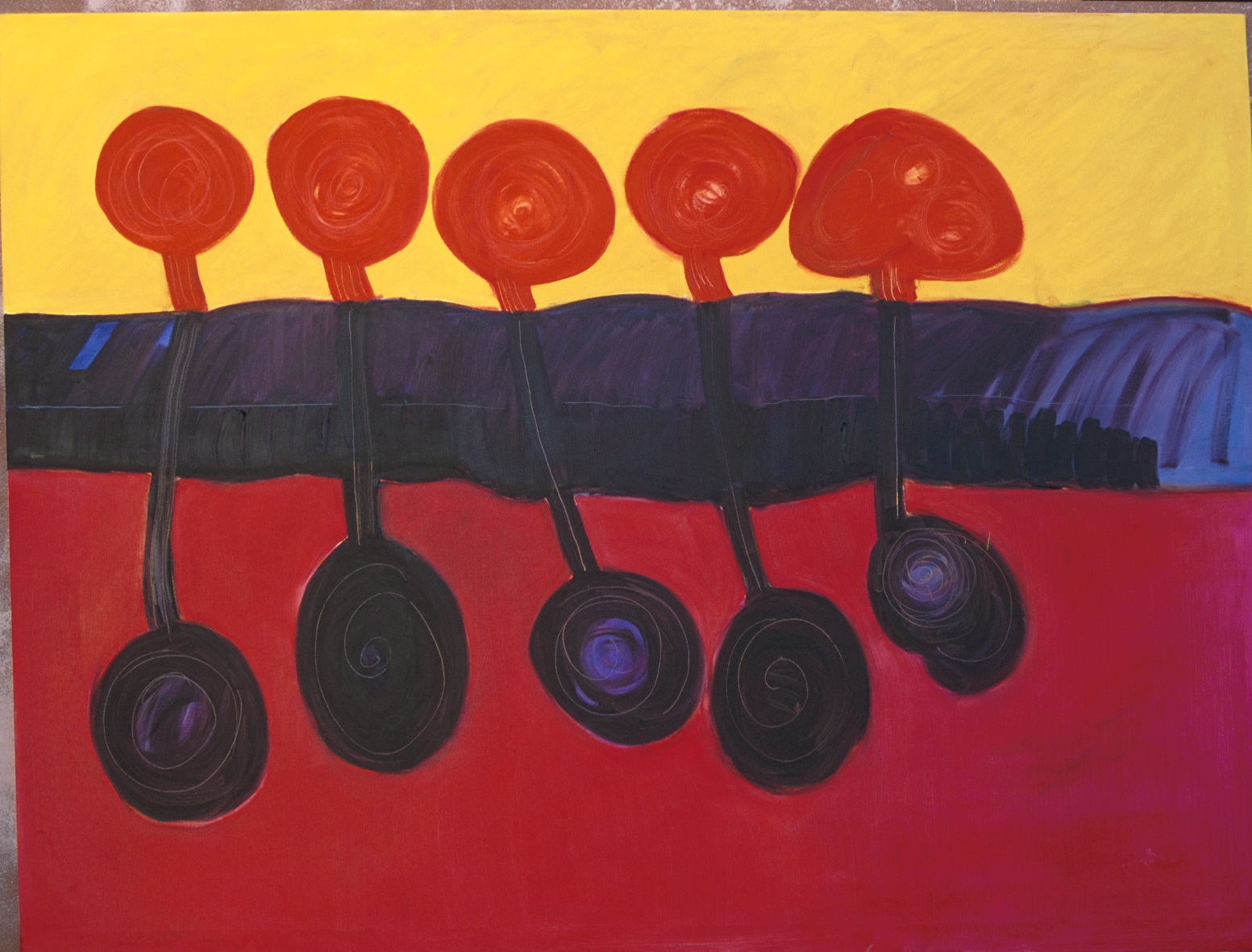
Red Trees

Tags

, ,

Red Trees 1

“The challenge for any visual artist is to relate the process of seeing with the process of making; it takes time and effort to make the hand and eye work together in this way”

“Artists are not born or made; they are born and unmade. Paintings might line the walls of pre-school classes, but as one goes up the age range, art disappears from the educational system”

Julian Spalding “The Eclipse of Art”