thesprezzaturist

~ "studied carelessness"

thesprezzaturist

Tag Archives: Wine

“Babe, beginning of a great adventure”

18 Tuesday Mar 2014

Posted by juleslewis in Food, Wine

≈ 2 Comments

Tags

bybo, Mother London, Wine

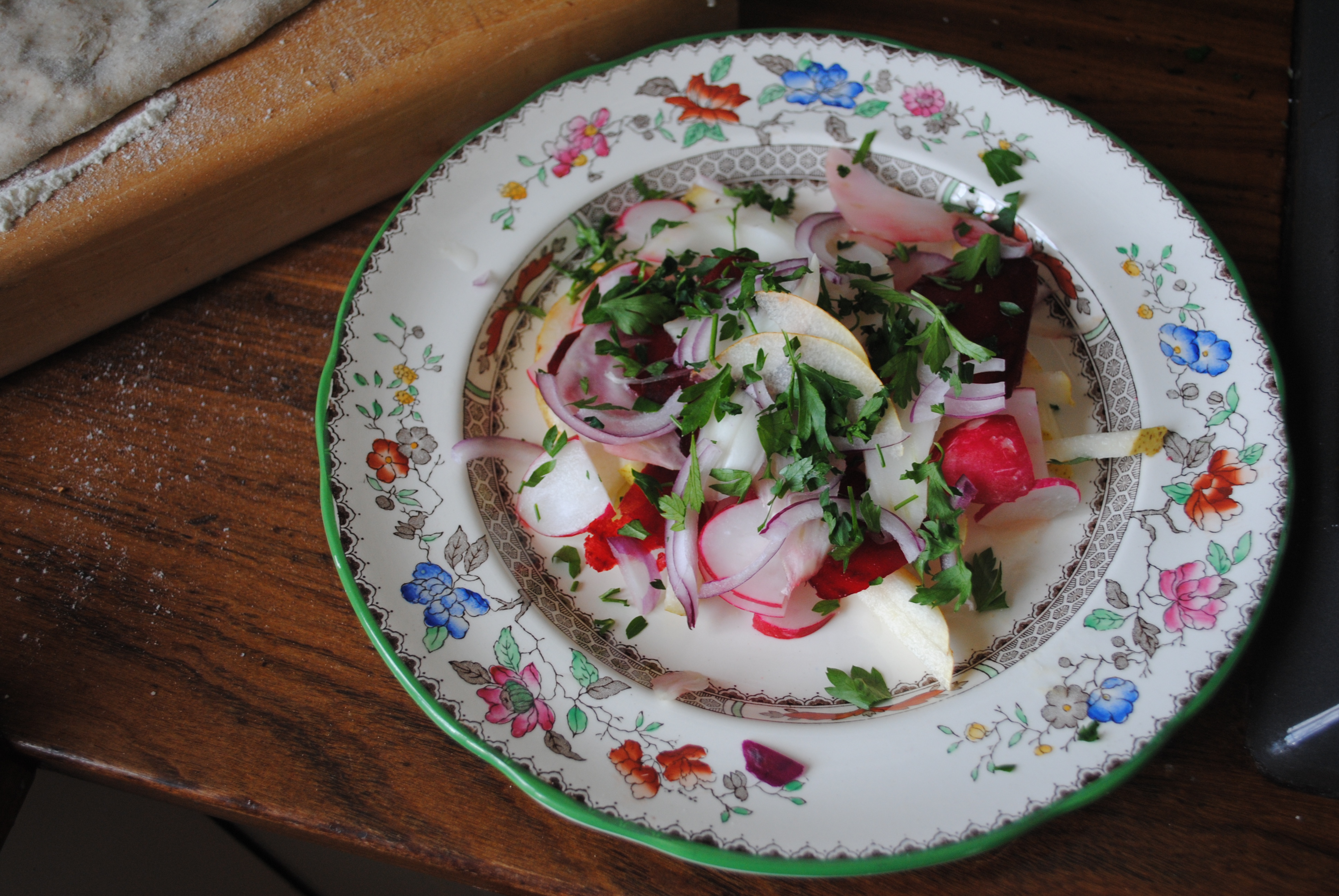
IMG_1485 (3)

I recently spent an informative day with Mother. Not my mother, although her day will come, but the uber cool creative agency in London. They have offices in New York and Buenos Aires, but my meagre expenses wouldn’t stretch to Argentina. I came away feeling energised, and a tad more hip – I have a beard which helps – although unlike my young creative advisers am a trifle nearer my sell by date.

I was informed that I was a challenger brand in a bull (not a reference to the Pampas) market, and that I needed a back story – most clients just make theirs up, they said. Mine happens to be true, although I’ll add some blarney later.

“A glorious day, an empty beach, freshly caught shrimp, crab and mackerel and no wine!
While I gutted fish, lit a fire and kept the kids from capsizing – I am manly like that – the VOR magnanimously volunteered to go shopping.
An experience akin to The Clash’s “Lost in the Supermarket” followed. “Unable to shop happily”, she returned exhausted and together we toasted the setting sun with something described as “Good with Fish”
“You should have gone yourself”, said the VOR.

She had encountered a common conundrum. Paralysed in the face of so much choice, many a wine consumer is forced to settle for fail safe, special offers, a pretty label or just getting “something French to be on the safe side”. Subsequent market research confirmed this to be fact. “You should help” said the VOR, “what’s the use of all that knowledge and experience if all you do is bang on about it at the dinner table”. She had a point, I should have gone to the shops myself.

Like the “King of Pop”, I wanted to be starting something and online was my preferred route. Being a shopkeeper meant less time playing with surfboards – but I was about to encounter some serious brainache. Online wine sites boasted exhaustive drop down menus, sorted by country, region, style, colour and price. A myriad, miniscule, bottles floating in white space flashed before my eyes, together with enough multi coloured offers and jumbled visuals to make a maniacally bill postered wall look minimalist. I struggled to get beyond the home pages and I’d failed my MW theory.

“There’s no emotion” said the VOR (a rabid and evangelical foodie), “You can’t weigh it, touch it or squeeze it like food. It’s impossible to physically interact with a bottle of wine until you open it and drink it”. She had a point, some feeling was desperately required.

“How are you to know if it’s an interesting, stylish and delicious drink – designed to go with food rather than dominate it – or an over produced, neutral, alcoholic and sugar – driven monster, deliberately created for mass market appeal” – She didn’t say that, I did.

Essentially it all comes down to pleasure. I believe that by approaching wine in a careful and thoughtful way, informed by food and occasion, increases the pleasure derived from it. Over processed, over produced wine is like its equivalent in food – it just doesn’t make you feel good!

So I did something, I started a wine and food matching company called bybo. It’s not like “A Man Called Horse”, but it’s just as emotive. It’s not really a hobby, although it does keep me off the streets, nor is it a desire to do a good deed – I have always considered myself selfish rather than philanthropic – but I do have a mission. I want to sell quality wine to people who care about value rather than price, supporting growers and producers to ensure they stay connected to the land and environment in which they work. I oppose a mono – branded world by favouring slow rather than fast food, field over factory, local above global. Phew, that’s philanthropic. Truth is, I just want to make enough money to spend more time at the beach. Got to go the tides on the turn”.
 

Share this:

  • Click to share on X (Opens in new window) X
  • Click to share on Facebook (Opens in new window) Facebook
  • More
  • Click to share on Pinterest (Opens in new window) Pinterest
  • Click to share on Tumblr (Opens in new window) Tumblr
Like Loading...

“Work in progress”

29 Wednesday Jan 2014

Posted by juleslewis in Food, Wine

≈ 3 Comments

Tags

bybo, Food, Gregory Porter, Liquid Spirit, Nigel Slater, Nigella Lawson, Wine

_MG_7789

“There is something quietly civilizing about sharing a meal with other people. The simple act of making someone something to eat, even a bowl of soup ….. suggests an act of generosity and intimacy. It is in itself a sign of respect.” Nigel Slater

I love food, and as Nigella so succinctly put it in How To Eat, “I don’t believe you can ever really cook unless you love eating”. I also love wine, but am constantly surprised and disheartened by the kind of undrinkable plonk that friends routinely serve up at the dinner table.
Wine goes with food, not as a faddy matching hint, but as an equal partner in a simple pleasure – life-giving and life enhancing.
Good food can be expensive, simple food isn’t, but cheap processed junk food comes at a high physical price. We are justifiably anxious about what we put in our bodies so why do we attempt to save money on the wine we serve – shouldn’t it be of the same quality as the food?
Ever been to a dinner party where the food was delicious but the wines came via an unscrupulous “3 for £10” or “was £9.99 now £4.99 “ offer designed to seduce us into accepting thin, sweet, raspberry juiced reds or neutral insipid whites as the norm. There are many producers who do not manufacture wine by the tanker full, making lovely stuff to go with simple food at prices that will surprise you. Such wines demand the spending of an extra pound or two but you are richly rewarded – and the food tastes better.

DSC_0006DSC_0008

I have just started a venture to promote the drinking of good wine – with the aim of giving folks some much-needed Liquid Spirit, a la Gregory Porter.
It’s called bybo and is the reason that my blogging activity has been less than prolific of late.

2014-01-17 12.26.03

We recently did a bit of food styling for the website, which was a fun way to spend a working day with friends – and a lot more difficult than I expected.
Although not narcissistic, possessing the kind of looks more suited to radio rather than photography – excepting Katie (the VOR) of course – we did fancy ourselves as competent hand models. Behind the scenes, things were not as perfect as Mark’s photos suggest. Tim and I smashed numerous glasses, ruined at least two tablecloths but had some great laughs and still managed to warm Katie’s lovely food up in time for dinner.

Share this:

  • Click to share on X (Opens in new window) X
  • Click to share on Facebook (Opens in new window) Facebook
  • More
  • Click to share on Pinterest (Opens in new window) Pinterest
  • Click to share on Tumblr (Opens in new window) Tumblr
Like Loading...

“Gustatationary Substitution”

03 Tuesday Dec 2013

Posted by juleslewis in Wine

≈ 2 Comments

Tags

Chambolle Musigny, Château Cos d'Estournel, Clive Coates, Glass, Master of Wine, Oddbins, Taste, Wine, Wine tasting

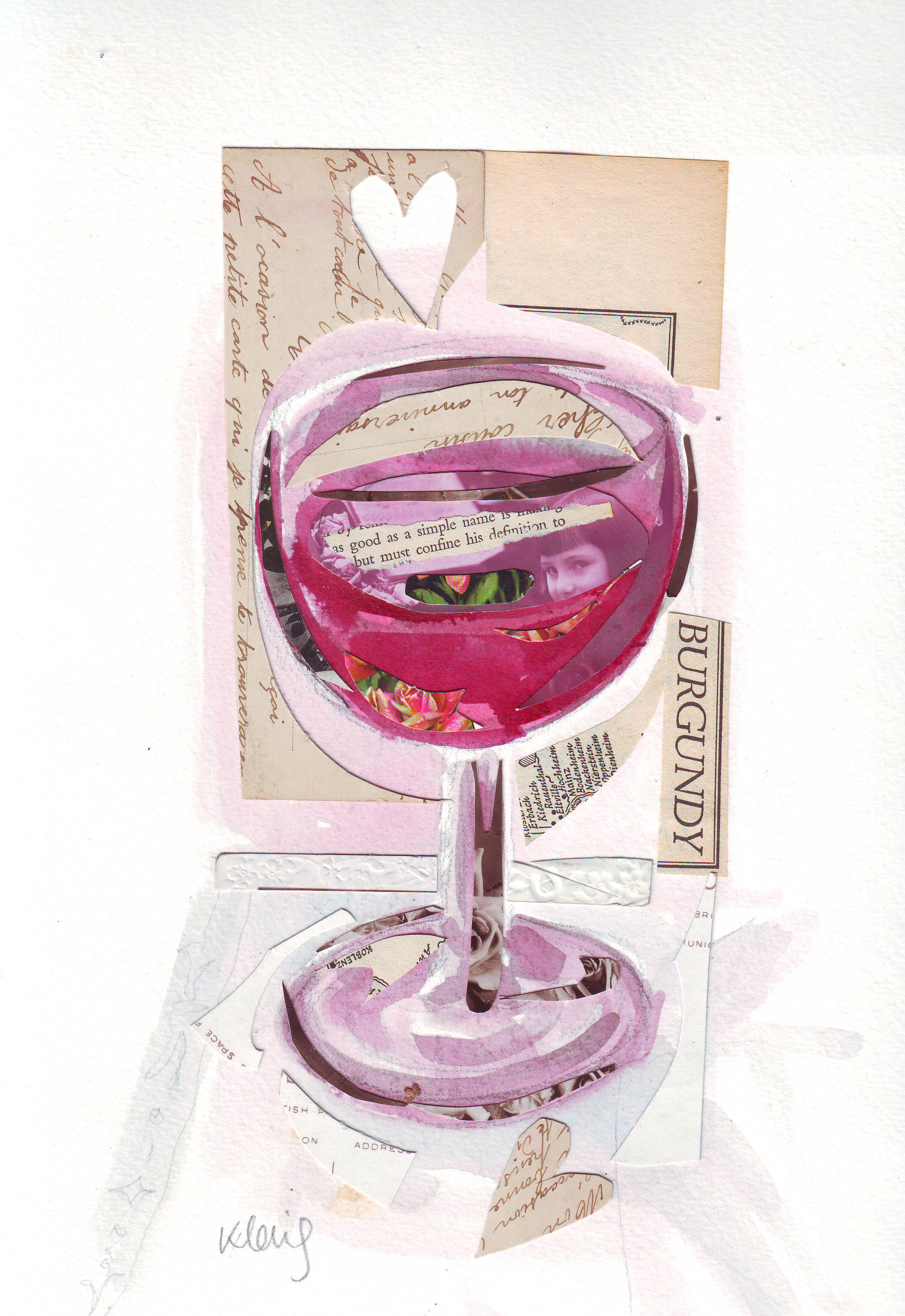
wine glass

“Is a power far beyond the wildest notion

only one precise solution is the key

Gustatationary Substitution is for me”

I came across a unique example of substitutionary gustation recently, whereby tasting notes were declared defunct and replaced by a tennis pro-esque fist pump to indicate the quality of the wine. Presumably a single fist pump was preferred as there was a glass of wine in the other hand? As entertaining, and momentarily exciting, as I found the concept I was mortified at the increased likelihood of spilling the wine during such an energetic method of approval.

When I first joined the wine trade, it existed somewhere between mothballed and food stained pinstripe and the shiny, man-made fibres of the future. And I didn’t fit in. My personal preference, for impartial advice, came from the be-t-shirted hipsters and college drop outs of Oddbins, whose witty and irreverent descriptions filled the shelves of their teeming, untidy and exciting high street stores.

My first boss was a man who saw himself as a jewel in a dung heap, whose shine masked a deep insecurity that manifested itself in appalling and ungenerous snobbery. Being a callow youth, I was unable to see that he was afraid of me and my big nose – as he was already suffering from the presbyosmia, or loss of smelling ability, that begins in middle age. Despite this unheeded affliction he was trusted to buy pallet loads of wine – with a myriad of faults – for people whose taste buds had caught the Last Train to Clarksville. A more generous and magnanimous man would have asked my opinion, given me the fist pump of approval and then passed the opinion off as his own. Moral: don’t diss the young when it’s your duty to help them.

My next lash from the tongue of disapproval occurred during a vertical of Cos D’Estournel going back to before the Great War. After so many brilliant, but aged examples, of this venerable property my tannin jaded, but distinctly un- presbyotic palate was enervated by the exciting, fruit forward and recently bottled 1985. As I enthused about the wine in the glass – after being asked my opinion on this occasion – I was immediately admonished for preferring it to the superior 1986. Now, I had read my Clive Coates and Michael Schuster and I knew the received opinion about the 86 being the better wine – but what if I loved the wine in the glass and wanted to buy it? It certainly got my fist pumping. Moral: don’t diss a potential punter.

Where is this leading to you may ask? Well, there are two types of tasting note and taking into consideration inexperience and received opinion. together with a glimpse  of a label, neither can be replaced by a fist pump.

The first is an objective note, purely analytical, often devoid of emotion and listing the wines constituent parts, merits and demerits, quality and potential longevity. It is also used to provide context as to where the wine sits in relation to others in its region or commune and to frame it within its own vintages. This kind of note often comes with a shorthand, and often controversial, score.

The second is of the journalistic variety, often subjective and full of personal opinion and perspective. Although designed to promote and sell the wine, it contains a description of what the wine smells, or reminds the consumer of, great if its flowers,  fruits and holidays, not good if its sweaty saddles – but then again. This is a positive note, usually unconcerned with shortcomings and centered around the wines affinity with food.

To conclude this rather long post, I want to illustrate how easy it becomes to overlook the true purpose of wine in the pursuit of nerdyness.

Some years ago, during day two of the Master of Wine examinations, students were asked to identify two pairs of French wines in a new/old world flight of four. The traditional double blind format also required comments on region, commune, vintage, quality, capacity to mature and use of oak. Diligently working through my allotted three minutes per wine, I was struck by the clarity of the final wine of the flight, a 1er Cru Les Amoureuses, Chambolle Musigny 92 from Comte Georges de Vogue, so much so that I stopped scribbling and drank it.

Moral: Wine is a wonderful drink, best shared than consumed alone – as friendship is its engine and true purpose. Analyse it by all means, but remember to retain perspective and a sense of  humour, together with an ability to communicate your enjoyment and wonder through your tasting note – a fist pump is not enough.

Share this:

  • Click to share on X (Opens in new window) X
  • Click to share on Facebook (Opens in new window) Facebook
  • More
  • Click to share on Pinterest (Opens in new window) Pinterest
  • Click to share on Tumblr (Opens in new window) Tumblr
Like Loading...

“I say Pigato”

02 Monday Dec 2013

Posted by juleslewis in Food, Wine

≈ Leave a comment

Tags

Food, Grape, Italian Riviera, Laura Aschero, Liguria, Liguria wine, Pigato, Vermentino, Wine

jules2

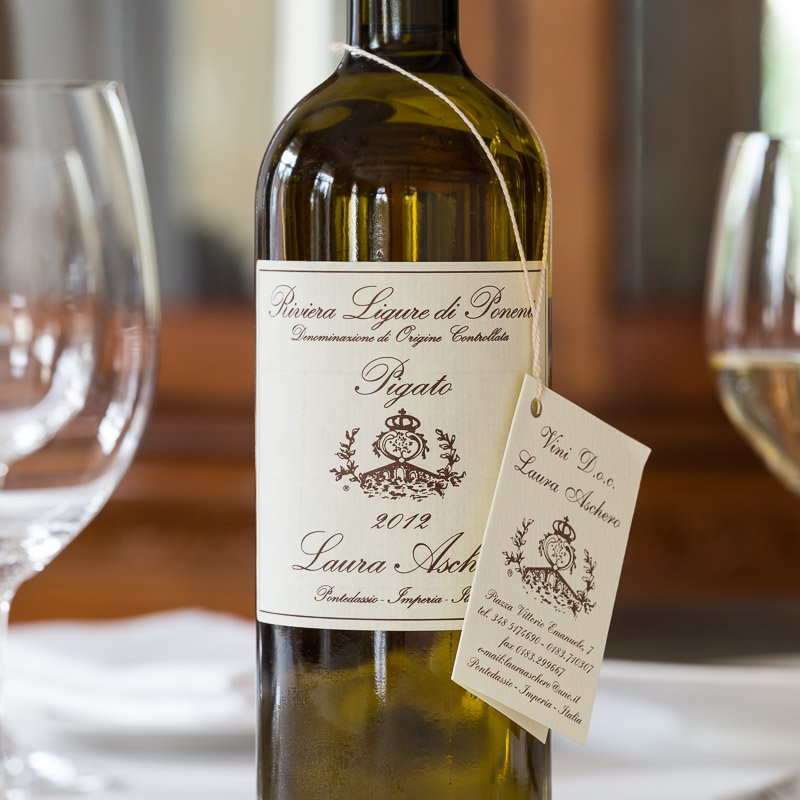
Unless you have been to Liguria, on the Italian Riviera, you are unlikely to have sampled it’s wines. Mostly white (the climate is not always reliable enough for ripening reds) they are exceptionally wonderful, and Pigato is my favourite white grape of the moment – hence my Rivieran stripes.

Shiny yellow in colour with flashes of green, incredibly fresh with the scent and taste of peaches and roast almonds, this is just scrummy stuff. A superior relative of Vermentino – although less lean and austere – Pigato is sometimes referred to as “spotted Vermentino” due to the Mad Madam Mim-esque pink blemishes on its skin.

It has a long history in the region – although it’s origins are Greek – but relatively few examples are made. This is from Laura Aschero, a family owned and run estate that limits itself to a mere three varietal wines – two white and one red.

Bybo wine collection, Berwick Lodge, November 2013

Don’t chill it too much, perhaps 20 minutes at most, and serve it with a humble fish, wine and garlic soup, like the local Ligurian speciality Ciuppin.

Share this:

  • Click to share on X (Opens in new window) X
  • Click to share on Facebook (Opens in new window) Facebook
  • More
  • Click to share on Pinterest (Opens in new window) Pinterest
  • Click to share on Tumblr (Opens in new window) Tumblr
Like Loading...

“Wine. Is, Red”

25 Monday Nov 2013

Posted by juleslewis in Wine

≈ Leave a comment

Tags

Christopher Hitchens, Mark Bolton, Ribera del Duero, Spain, Spanish wine, Tempranillo, Wine

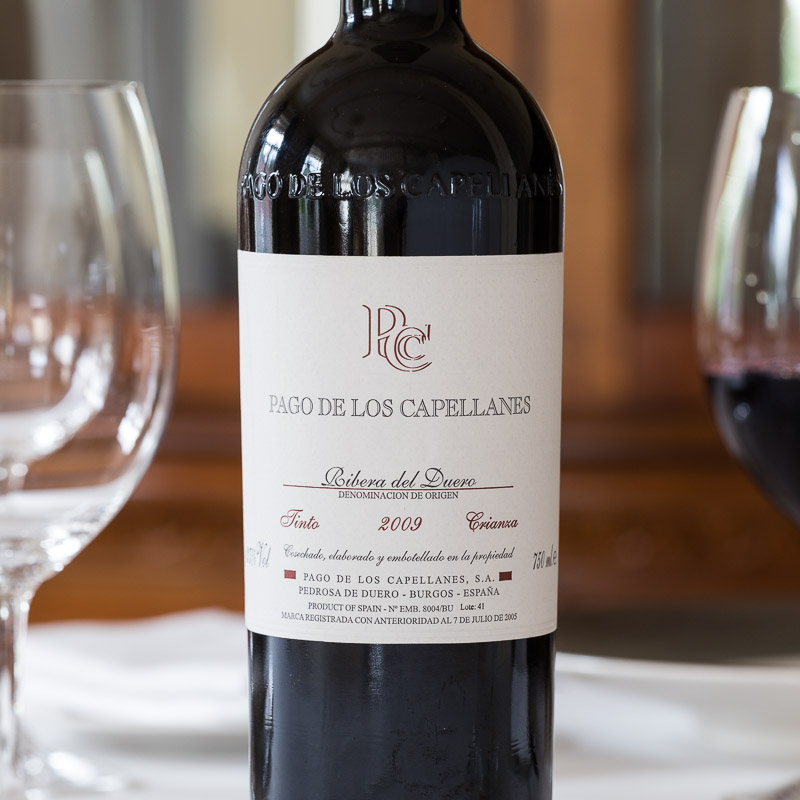
Bybo wine collection, Berwick Lodge, November 2013

The quote from the late, great, Christopher Hitchens, is a response to one of the dreariest, but necessary, questions bandied about by wine waiters the world over “Red or White?”

Hitch’s retort “Wine. Is, Red” aptly describes this wonderful wine from Pago de los Capellanes in Spain’s Ribera del Duero. A thoroughly deserved winner of the inaugural “Wines from Spain” award 2012, this is low-yield, 100% Tempranillo. of exceptional character and quality.

Quintessentially Spanish, but bigger and chunkier than Rioja, this is a manly wine in every, fashionably bearded, sense of the word. Large hands and firm grips are needed to hold the substantially weighty. flask-shaped bottle, together with a penchant for sleeping outdoors. Women can drink it too – the VOR was extremely fond of it – but were it my last bottle they would have to prise it from my cold, dead, Action Man-esque, grippy hands.

Fruit-forward, packed with plums, damsons, and liquorice and richly enrobed in medium-toast, French oak – this is a fabulously juicy and powerful red wine.

We had it, indoors (it’s winter for Gods sake), with smoked haddock gratin and buttered Cavolo Nero. Red wine with fish – how manly is that!

Thanks to Mark Bolton for making this scrumptious wine look as good as it tasted.

Share this:

  • Click to share on X (Opens in new window) X
  • Click to share on Facebook (Opens in new window) Facebook
  • More
  • Click to share on Pinterest (Opens in new window) Pinterest
  • Click to share on Tumblr (Opens in new window) Tumblr
Like Loading...

“Don’t believe half of what you see and none of what you hear”

06 Wednesday Nov 2013

Posted by juleslewis in Wine

≈ Leave a comment

Tags

BBC, BBC Watchdog, John Ruskin, Lou Reed, Morgan Stanley, Oz Clarke, Sainsbury, Tim Atkin, Wine, wine prices, wine quality

IMG_1802

This line from the late, great Lou Reed, aptly describes the two main wine stories of the past ten days. Both stories have been released via mainstream media – not the wine trade itself – and possess immediate appeal. Lets break it down: “Believe none of what you hear” –  the prophetic and potentially John Martinesque global shortage of wine (conveniently omitting stats for 2013) was raised by Morgan Stanley Australia, and pounced upon by the press. The second, highlighting the fluctuating discount/inflation policies adopted by the major UK supermarket chains, was initially brought to our attention by BBC Watchdog and the wine critic Oz Clarke. “Believe half of what you see”  – as there is no shortage of cheap wine on my dirty boulevard.

About a dozen years ago (when Lou and I were in our pomp) I was invited to a forum, by the then editor of Harpers, Tim Atkin, entitled “The Global Wine Surplus – Opportunity or Potential Nightmare?” –  no return to boom and bust to quote the remarkably elusive Gordon Brown. It wasn’t ironic, merely a genuine concern at the time. Interestingly, a certain Alan Cheesman (then director of wine at Sainsburys) was a panellist, the same Alan Cheesman who appears in the BBC watchdog episode – albeit in a retired capacity. He had this to say on the subject of the impending tsunami rolling across the global wine lake back in the day. ” I am not convinced it will materialise as quality wine” and warned that “Poorly made wine from any source will not benefit the consumer ….. long term reduced prices could destroy profit, the wine category and shareholder value”. Prophetic indeed, and as true now as then.

So, is the current practice of deep discounting and over inflation the result of a surplus or a shortage? Furthermore, is there a trend to chase volume or value? Lets dismiss the obvious vagaries of weather for the sake of argument. Global production can vary as much as 25% – in either direction – from one vintage to the next, but overall wine production has, in general, an accepted upward trend – particularly if new vineyard plantings are considered.

Wine prices in supermarkets do fluctuate, sometimes alarmingly so, but these fluctuations are in line with many other commodities – particularly furniture and clothing which, as we are all aware, may be manufactured both cheaply and unscrupulously – the VOR has assured me that she only buys clothing and shoes when on sale. Wine, over the years, has become cleaner and of mostly better quality, although we may legitimately complain of blandness, neutrality and an over reliance on unfermented sugar. But who is driving this trend – a global recession does not dictate a producer/supplier driven market – so is it a retailer/consumer conundrum?

The answer must be in the affirmative. Walk around the wine section of any supermarket and you will see a plethora of deals. I wont bore you with the detail, but suffice to say that whilst considerable marketing muscle is involved, the chains are merely giving the consumer what they want  – or indeed deserve.

With crippling energy and fuel prices, a global recession and pay freezes across most sectors, consumers have no choice but to save money where they can. Inevitably this falls on the weekly shop. Growing populations, poor weather and increasing demand for food have pushed prices up – but is this the same for wine?

Perhaps it is a question of education, think about it Dear Consumer, are you really getting value for money from those 3 for £10 deals?  The answer must be negative – but are you getting it for your £3 latte or cappuccino? A large latte at 2.85 contains just 10p worth of coffee, the remainder going on the cup, the stirrer, the premises, the staff and tax. The VOR routinely has two of these with the girls on a daily basis but baulks at the price of wine, and, being the holder of the family purse strings (I am a beta male) regularly subjects my sensitive palate to supermarket wine deals. Now a £4.99 bottle of wine equates to just 20 pence worth of quality, the same level as two lattes, but cheaper overall as you can share it – if its not too horrid. Consider also the price of a pint of beer at an average of £3.85 – a pound more than a latte but cheaper than a bottle of wine – and no you cannot share it! Conclusion, coffee is overpriced, beer about the same as some artisan bread, and a decent bottle of wine is almost impossible to find for less than £6.99.

So, while Lou sets the twilight reeling, I leave the last word to John Ruskin.

” It is unwise to pay too much, but it is worse to pay too little. When you pay too much, all that you lose is a little money. When you pay too little, you sometimes lose everything because the thing that you have bought is incapable of doing the thing that it was bought to do”

“The common law of business balance prohibits paying a little and getting a lot. If you deal with the lowest bidder, it is well to add something for the risk you run, if you do that you will usually find that you have enough to pay for something better”

Related articles

  • Supermarket wine sales: wine rack or wine racket? (theguardian.com)
  • Major supermarkets ‘ramp up wine prices to make offers look like bargain’ (telegraph.co.uk)
  • Have no fears about a world wine shortage – the glass is still half full (telegraph.co.uk)
  • Supermarkets ‘artificially inflating’ wine prices (thedrinksbusiness.com)

Share this:

  • Click to share on X (Opens in new window) X
  • Click to share on Facebook (Opens in new window) Facebook
  • More
  • Click to share on Pinterest (Opens in new window) Pinterest
  • Click to share on Tumblr (Opens in new window) Tumblr
Like Loading...

“Oh for a beaker full of the warm South”

21 Monday Oct 2013

Posted by juleslewis in Wine

≈ 7 Comments

Tags

Alan Moorehead, Australia, Cabernet Franc, Cabernet Sauvignon, Keats, Oak (wine), Ripeness in viticulture, Robert Hughes, Shiraz, Wine

IMG_1477

I know its Keats again, but I am indebted to the late Robert Hughes for the reminder from “Things I didn’t know”. Necessity being the mother of invention, I needed a title to introduce this piece on Australian wine. Now I haven’t written anything remotely creative lately (apologies to my loyal, but miniscule, band of followers) as I have been building a website, the creation of which has been – in the words of another great Aussie, Alan Moorehead – akin to “straining s..t through a sock”. I am not a natural when it comes to web design and the stultifying ennui coupled with the wet and dreary climate finds me, like Keats, “in need of song and sunburnt mirth”.

2013-10-11 18.09.54 (2) 2013-10-11 18.10.45 (2)   2013-10-11 18.11.31 (2)

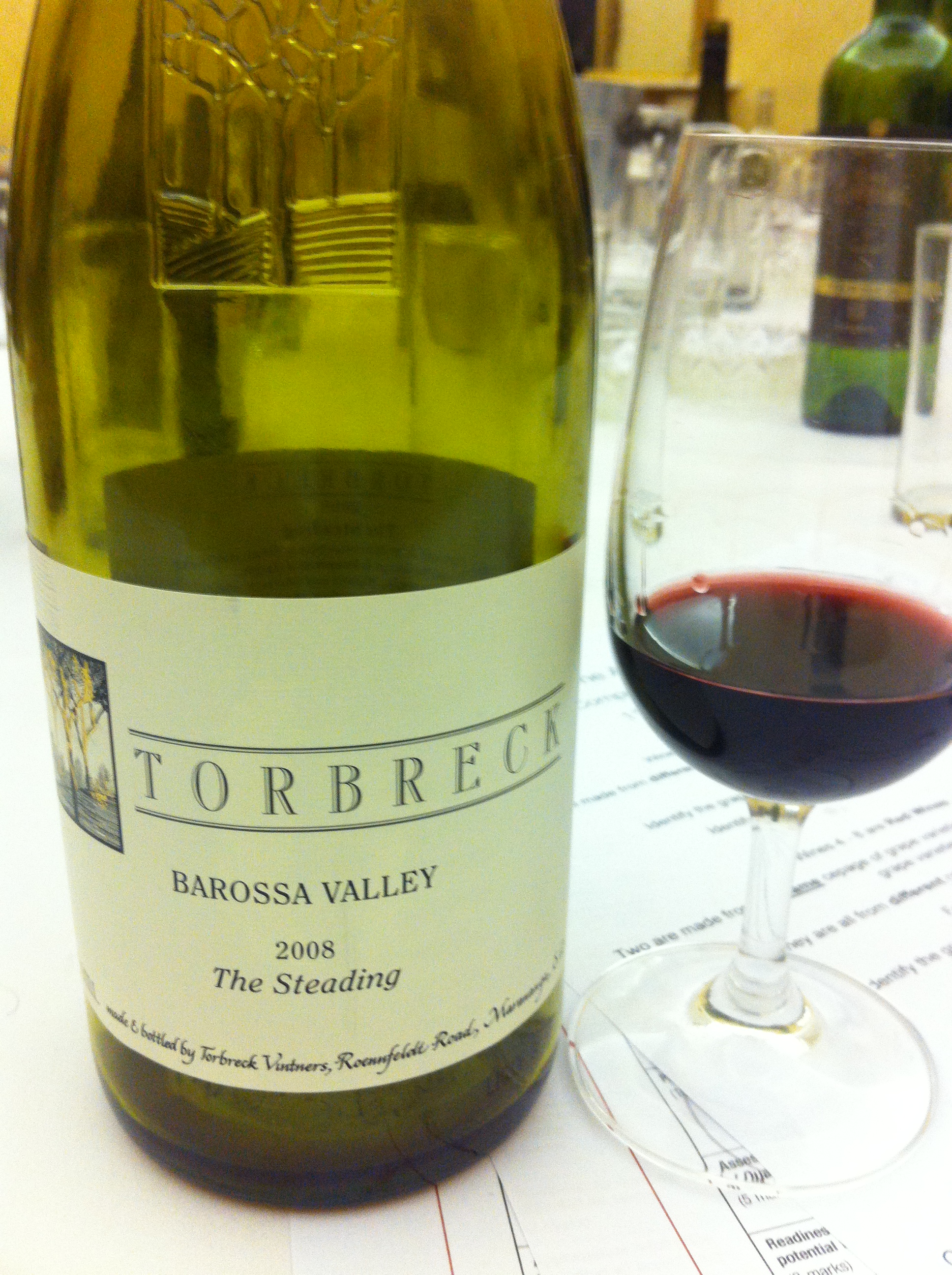
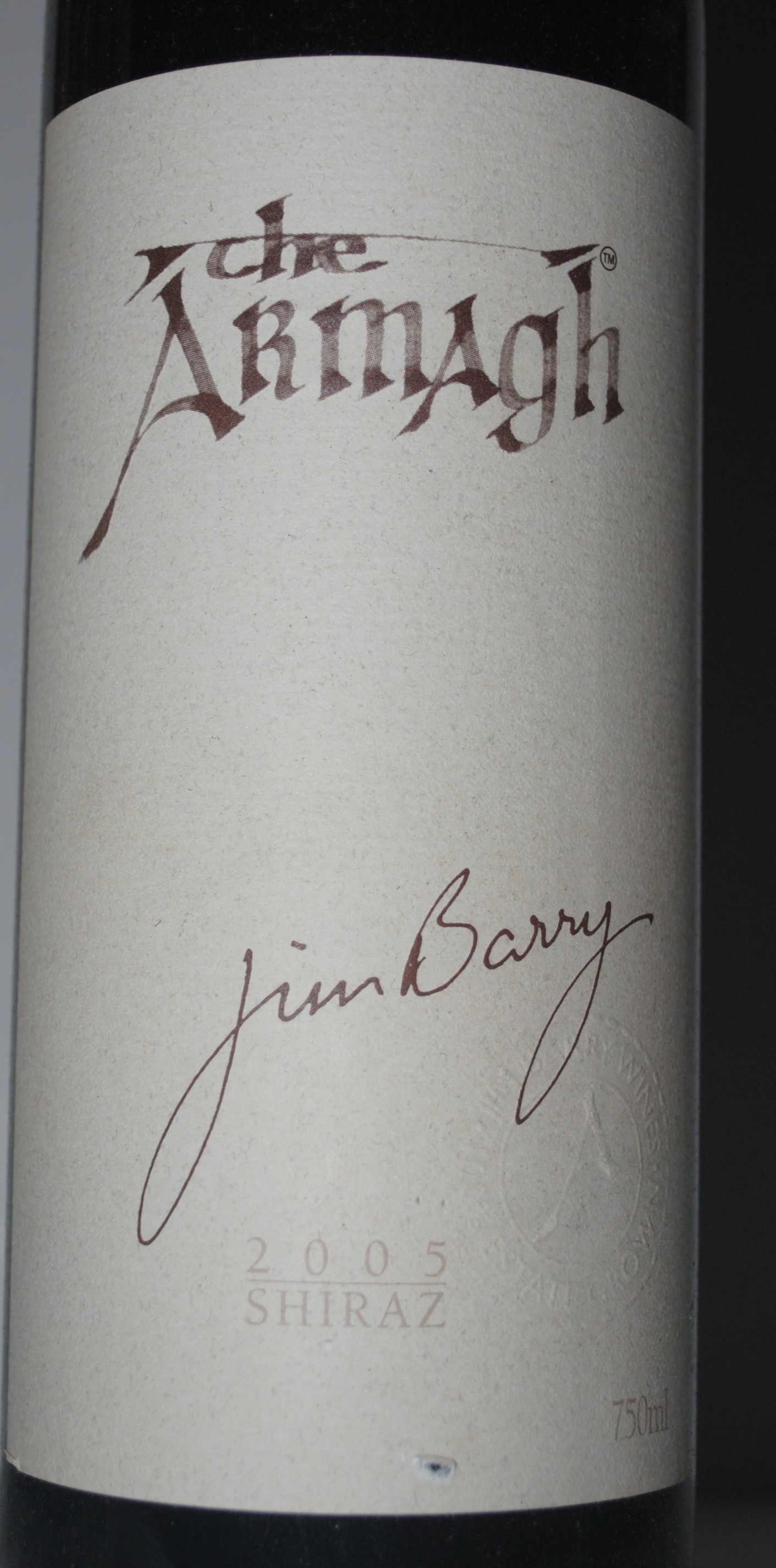
Its always a pleasure to drink big robust Aussie reds on a cold Autumn day and I may have killed two of them off a little early but hey, I needed cheering up. The Armagh Shiraz, Jim Barry, 2005, was intense on the nose, with cassis and blackberry fruit enveloped in rich, chocolate and liquorice with a lick of classy, new, French oak. I detected a touch of mintyness as well, but this was soon overpowered by a deep, toasty, overtone which followed through to the palate. Hugely concentrated with  intense, damson fruit, well integrated and surprisingly ripe tannins – despite all the new oak – and a finish that went on as long as the final hobbit hugging scene in Return of the King.

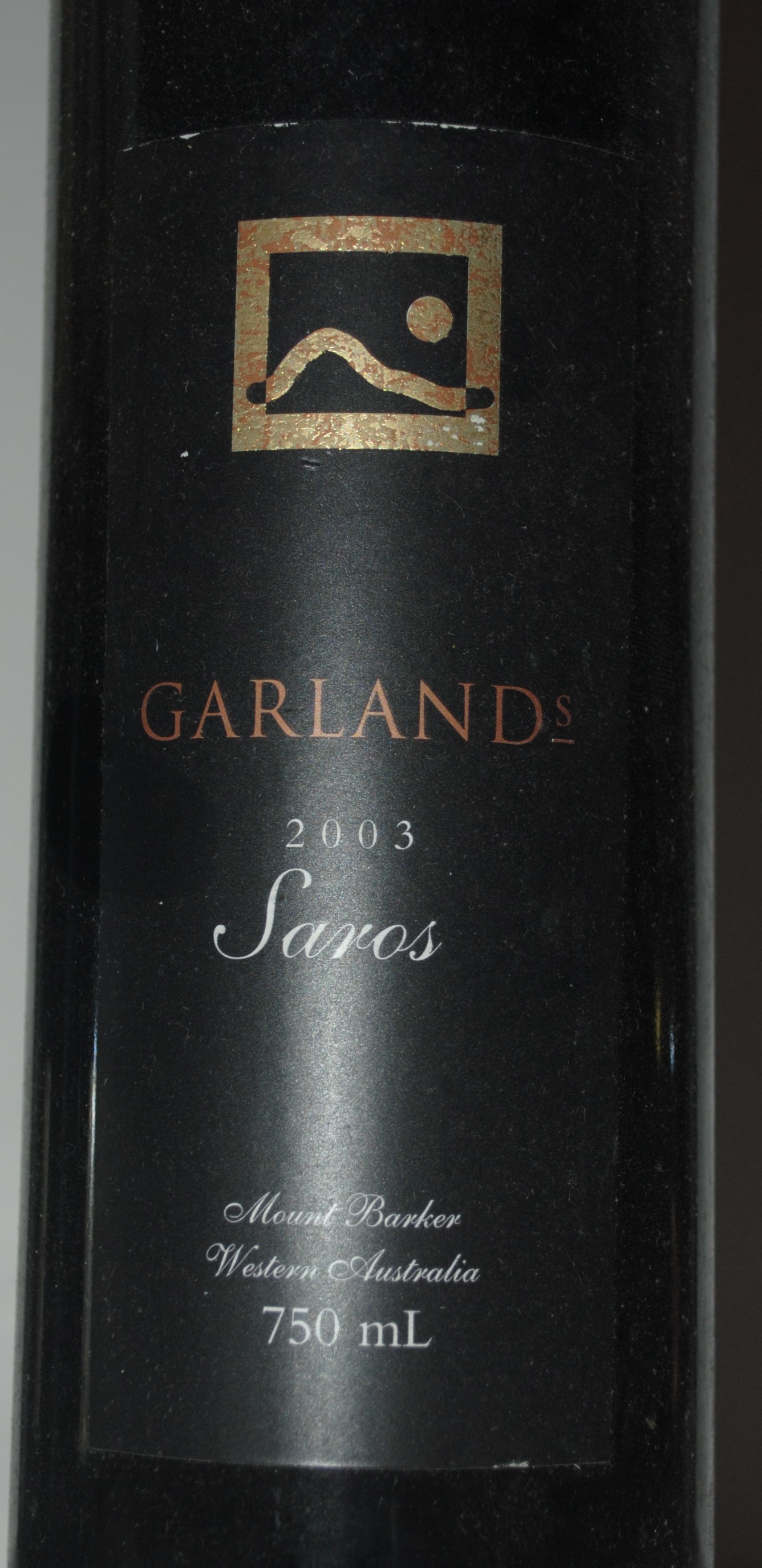
The Garlands Saros, 2003 was a complete counterpoint, and I should have tried it first as it was almost overpowered by the finish of the Armagh. Elegant in style with a nose of fresh, red berries and summer fruits together with a touch of earthy, green pepper, it was an absolute pleasure to drink. Lushly fruited – mainly Cabernet Franc with a judicious dash of Cabernet Sauvignon – with fine grained tannins and high quality, French oak adding to the warmly interesting and stylishly medium-bodied finish.

Henschke’s Hill of Grace is an absolute classic, and The 2004 was scrumptious. Personally I would rather kill wines off early than keep them until they are tired, but this could go on for another decade. Totally fabulous on the nose, a big, unashamed whiff of overripe, plums with traces of violets and herbal scrubland. Weighty, yet elegant, on the mid-palate with blackberry jam, spicy, white pepper and sage to the fore. Oak integration was very stylish and the combination of tightly grained French, with a little sweet American, rounded out and helped finish the wine beautifully. The alcohol level of 14% abv was almost imperceptible (unlike the Armagh) and the overall impression was one of concentration, intensity and class.

Some of you will notice that I began with a shot of one of Dave Powell’s wines, but the call of the website is too strong, and the family must be kept from the workhouse.

Share this:

  • Click to share on X (Opens in new window) X
  • Click to share on Facebook (Opens in new window) Facebook
  • More
  • Click to share on Pinterest (Opens in new window) Pinterest
  • Click to share on Tumblr (Opens in new window) Tumblr
Like Loading...

“When I take my sugar to tea”

07 Monday Oct 2013

Posted by juleslewis in Wine

≈ Leave a comment

Tags

Cleto Chiarli, Lambrusco, Michele Chiarlo, Niepoort, Tempranillo, Thelema, Tinta Amarela, Touriga Nacional, Wine

IMG_2080

“All the boys are jealous of me,

So I never take her where the gang goes

When I take my sugar to tea”

I’m a reluctant socialite. Like most men I hate arranging things, and if it were left up to me the VOR and I would probably seldom hobnob. My better half loves to plan however, most mornings are met with the words “Right Then” and I know there is a convivial campaign in the offing.

I always greet impending get togethers with a deep foreboding, particularly if they involve more than two other people. The irony is that I always have a great time – much to the VOR’s chagrin.

But socialising presents a perennial dilemma – particularly if I am not the host – and it is one which I am sure you are familiar.

When I take wines to a soiree, I normally want to drink them – or, having had them before – I want to share the love. Mein hosts however have other plans, they trouser said wines and serve their own! Now this is ok if their wines are any good but what if they are not? I don’t want to seem ungrateful but how does one preclude this from happening – particularly if they don’t run out of the stuff!

IMG_2091IMG_2205IMG_2273IMG_2040

Anyway here are some wines to stay in with, or hide in a garden.

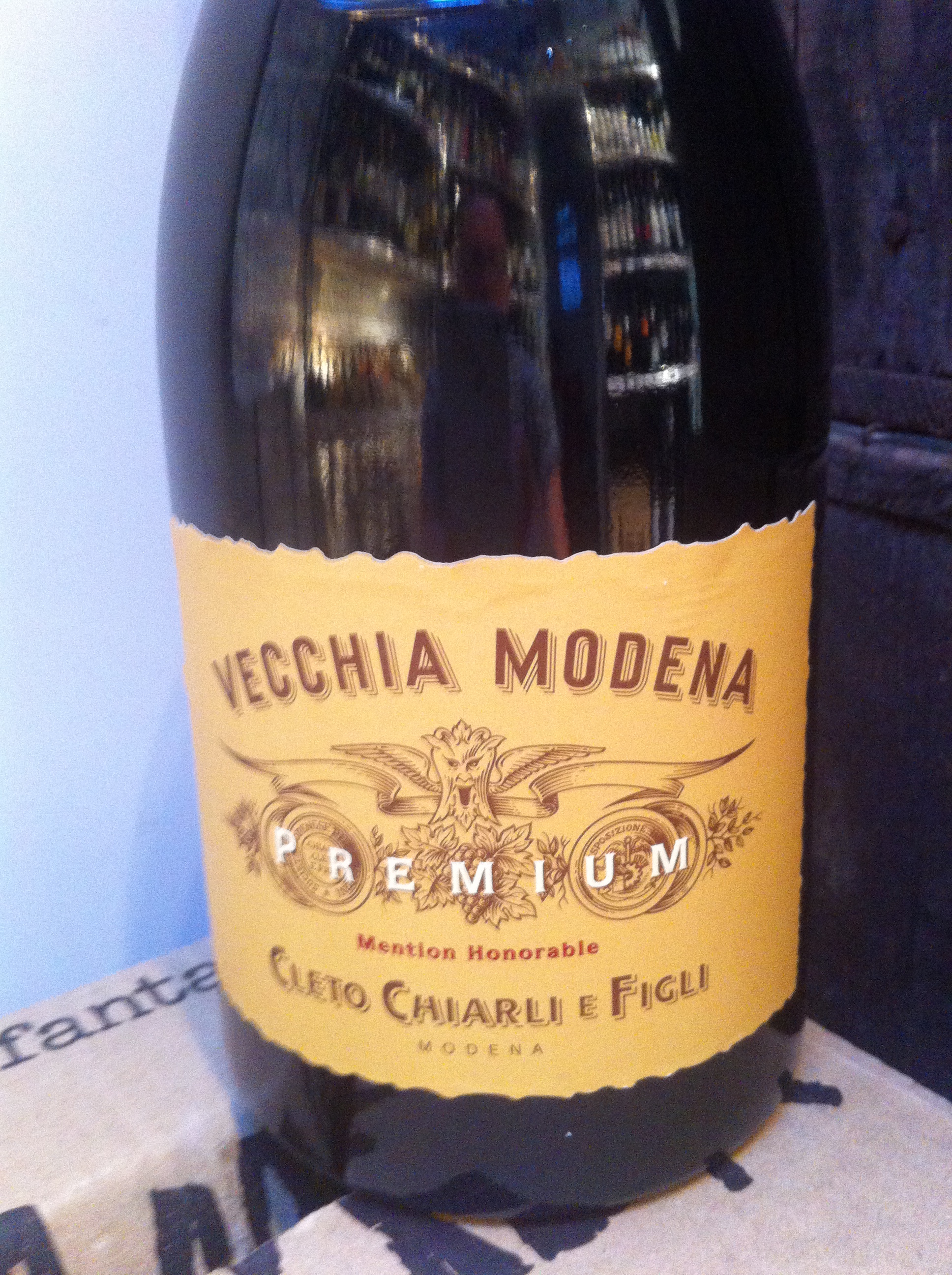
The Vecchia Modena by Cantina Cleto Chiarli, is a premium Lambrusco di Sorbara non vintage. Fizzy, perky and fascinatingly fruity, it is the ideal way to kick off an evening. Don’t be afeared of fizzy reds, they are eccentric and delicious – just watch the pop as you get it out of the shrubbery.

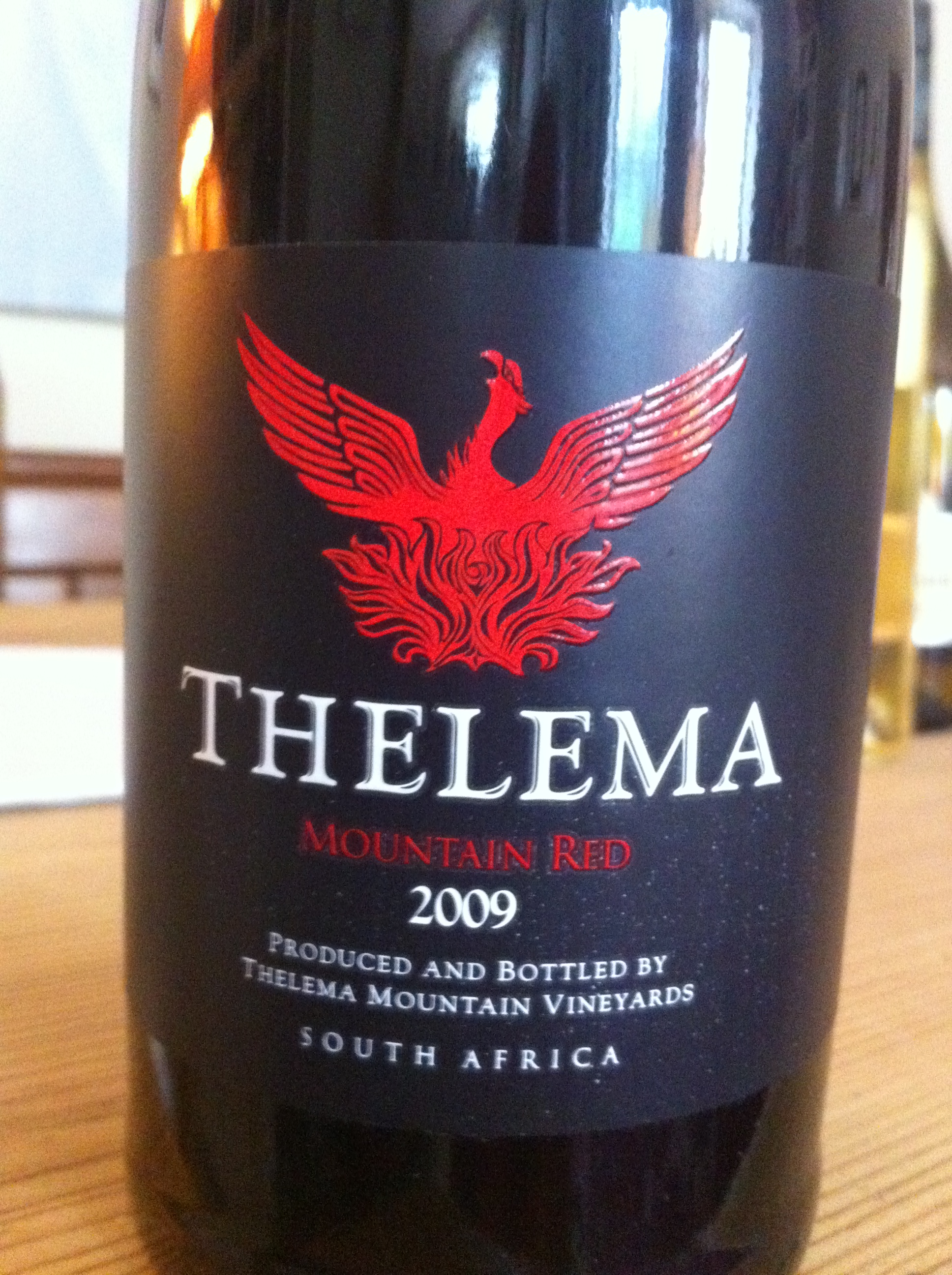
Thelema Mountain Red  is much more interesting than its moniker. A blend of pretty much every red grape that can be found in a vineyard, this is full of spicy, blackcurrant fruit laced with white pepper and a touch of liquorice. Juicy and inviting on the nose and richly rewarding on the palate.

Dirk Niepoort’s Vertente is a blend of Tinta Roriz (Tempranillo), Touriga Franc, Tinta Amarela, and Touriga Nacional.  This fantastic little red has lush aromas of blackberry and damsons which follows through to the palate. Tannins are ripe and softly approachable. acidity is lively and there is a judicious splash of well integrated oak.

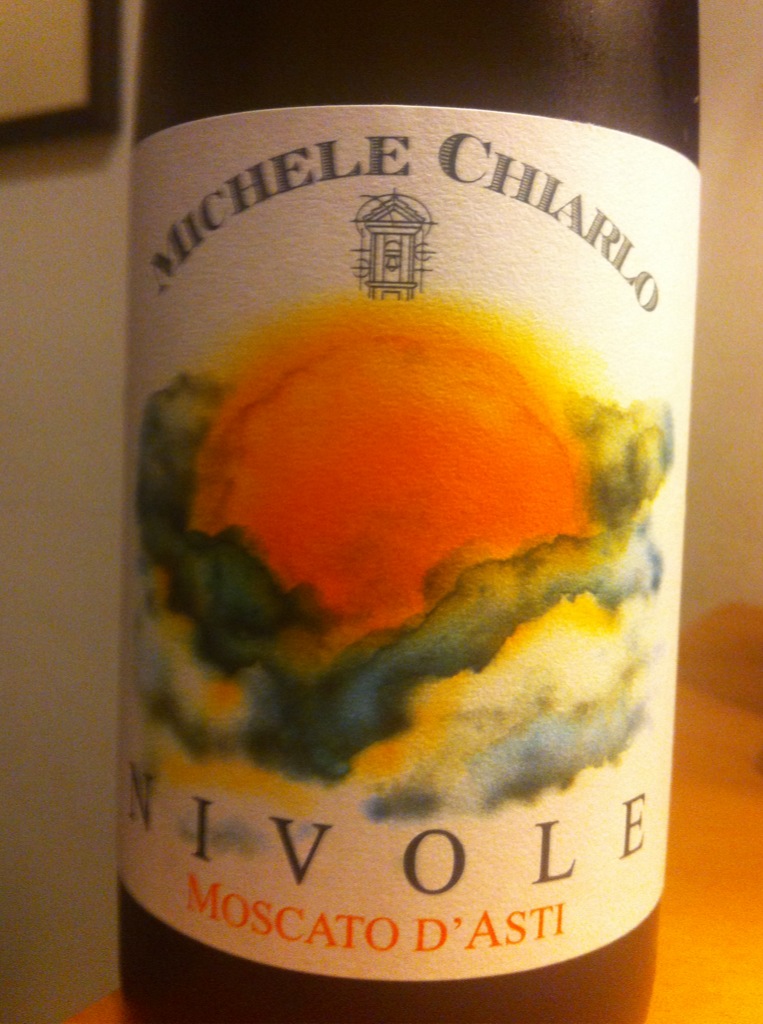
Last, but certainly not least, is the delicious little Moscato Nivole from Michele Chiarlo. I absolutely adore this wine, it comes in a 50cl bottle – just enough to share – and is an ideal pick me up. Lovely, lively, grapey and deeply energising, it’s off dry with a delicate, sherbety spritz. Coming in at a mere 5% alcohol, this could be uncorked to the sound of “Right Then”.

Share this:

  • Click to share on X (Opens in new window) X
  • Click to share on Facebook (Opens in new window) Facebook
  • More
  • Click to share on Pinterest (Opens in new window) Pinterest
  • Click to share on Tumblr (Opens in new window) Tumblr
Like Loading...

“In praise of older wines”

01 Tuesday Oct 2013

Posted by juleslewis in Wine

≈ Leave a comment

Tags

Aging of wine, Cote Rotie, Northern Rhone, Stephen Vizinczey, Syrah, Viognier, Wine, Wine color

IMG_0210

”Modern culture—American culture—glorifies the young; on the lost continent of old Europe it was the affair of the young man and his older mistress that had the glamour of perfection.”  Stephen Vizinczey.

Being young is beautiful, cool, invincible, immortal and fabulously exciting. Young red wines range from bright scarlet to deep purple in colour with little or no variation between the rim and core. Colour is derived from the grape skin, not the pulp, grape variety is a decisive factor, as are winemaking practices and PH. It is possible to over extract colour and flavour, but the resultant wine tends to be coarse and undrinkable – showing a marked reluctance to age gracefully. Older reds show a progressive shift from purple to brown and dark to light, their tannins and anthocyanins polymerise to form larger particles which fall out of the wine forming a sediment or deposit. A mature wine is lighter in colour with a distinctly tawny or brick red rim.

Appearance is not the only significant factor in the ageing process (note that I am avoiding a comparison with people here), there are also changes in aroma, taste, structure and body due to oxidation and esterification. There are many reasons why older is not necessarily wiser. Older wines are not easy to appreciate, lacking the zip, pizzazz and vigour of young wines they can seem, in essence, a bit weird. Difficult to understand, complex and reticent, their primary fruit aromas have been replaced by more reductive odours – redolent of the farmyard – brought about by chemical changes, tannins soften, fruit departs, acidity is the one true constant.

So why drink old wines? Don’t waste your money if you are not prepared for them. The ability of a taster to assess a wine as it ages, involves a big back catalogue of variable scenarios together with a damn good eye for detail. It also requires patience and a tendency to dislike instant gratification.

When I started drinking, alcopops and frozen or gelatinised ethanol did not exist. There was beer, cider, wine and whisky and they all took a bit of getting used to. You had to man up, pucker up and read up. You went to meet the product – it didn’t come to meet you! We are spoiled nowadays with clean, user friendly drinks that demand little of us, which is why we struggle to appreciate certain wines leaving them neglected and misunderstood. It is not only a fear of the old, but a fear of the unknown and consequently un-tasted.

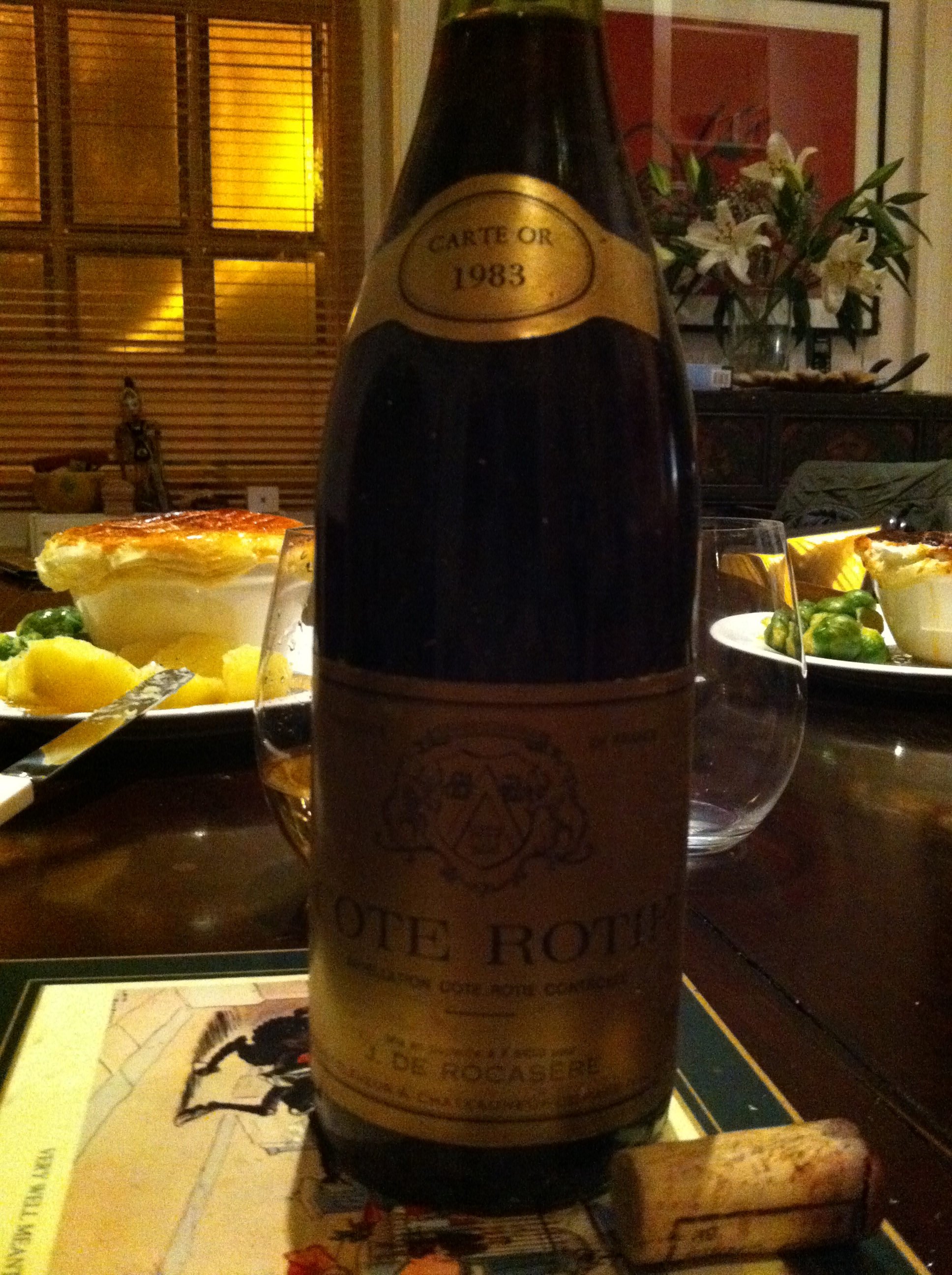
The Côte Rôtie was from the excellent 1983 vintage. Fill level was good, cork sound with no seepage, although I was unfamiliar with the producer. Decanting avoided to preserve bouquet, it was poured carefully into the glass. Garnet in colour with a nose of mushrooms and delicate forest fruits, the wine was ethereal in structure, the robustness and fire of the Syrah’s youth well behind it. The delicacy and slight perfume may have come from the permitted addition of Viognier, although the actual cepage remained a mystery. It’s tannins had softened to a whisper, and the slightly nervous acidity was all that remained on the finish. Charming, a little fragile and past its best, but it did manage to tell a tale or two.

Share this:

  • Click to share on X (Opens in new window) X
  • Click to share on Facebook (Opens in new window) Facebook
  • More
  • Click to share on Pinterest (Opens in new window) Pinterest
  • Click to share on Tumblr (Opens in new window) Tumblr
Like Loading...

“Love You Til Tuesday”

24 Tuesday Sep 2013

Posted by juleslewis in Wine

≈ Leave a comment

Tags

Godello, Malolactic fermentation, Spain, Treixadura, Wine

IMG_2218 (2)

I have been guilty recently of eschewing white wines in favour of autumnal reds, but, would you believe it, along comes a burst of late, lukewarm sunshine and I backtrack. I have to tell you about this delectable little white, its from Spain (please don’t think that all Spanish whites taste like lemon tea aged in oak) and is made from a grape called Treixadura – the dominant vine in Spain’s Ribeiro region.

Hand picked, 100% Treixadura, cold soaked for 8 hours, then cool fermented in stainless steel for around two weeks. The grape is naturally low in acidity, so does not undergo a malolactic fermentation.

It’s forward on the nose, with apricot and citrus notes backed up with a rich, velvety, buttery character. On the palate it is full-bodied, creamy – without vanilla overtones, and shows substantial intensity and concentration. It lacks the nervy acidity of Godello (another great Spanish white grape) but has an underlying minerality which, to my mind at least, makes it more interesting. Finishing full and long, this is a great reflection of modern Spanish winemaking. Ready to drink now – although it may be interesting to check it out in another year – it should come in at between ten and twelve English pounds and is available from Enotria.

“Love you Til Tuesday” is a David Bowie song – in the Austin Powers mode – and I probably will love this wine until Wednesday at the very least.

Share this:

  • Click to share on X (Opens in new window) X
  • Click to share on Facebook (Opens in new window) Facebook
  • More
  • Click to share on Pinterest (Opens in new window) Pinterest
  • Click to share on Tumblr (Opens in new window) Tumblr
Like Loading...
← Older posts
Newer posts →

Recent Posts

  • King Harvest…has surely come
  • A Fold in the Map
  • Some little light
  • A Death in the Family
  • Stakes & Stones

Recent Comments

Rob Whitta's avatarRob Whitta on King Harvest…has surely…
Rob Whitta's avatarRob Whitta on A Fold in the Map
bartonsindevon's avatarbartonsindevon on A Fold in the Map
Rob Whitta's avatarRob Whitta on A Death in the Family
bartonsindevon's avatarbartonsindevon on A Death in the Family

Archives

  • October 2024
  • September 2023
  • June 2023
  • May 2019
  • April 2019
  • August 2018
  • December 2016
  • July 2016
  • May 2016
  • February 2016
  • January 2016
  • August 2015
  • March 2015
  • February 2015
  • December 2014
  • October 2014
  • September 2014
  • August 2014
  • July 2014
  • June 2014
  • May 2014
  • March 2014
  • February 2014
  • January 2014
  • December 2013
  • November 2013
  • October 2013
  • September 2013
  • August 2013
  • July 2013

Categories

  • Art
  • Books
  • Food
  • Musings
  • Skate
  • Surf
  • Travel
  • Wine

Enter your email address to follow this blog and receive notifications of new posts by email.

Meta

  • Create account
  • Log in
  • Entries feed
  • Comments feed
  • WordPress.com

Blog at WordPress.com.

Privacy & Cookies: This site uses cookies. By continuing to use this website, you agree to their use.
To find out more, including how to control cookies, see here: Cookie Policy
  • Subscribe Subscribed
    • thesprezzaturist
    • Join 89 other subscribers
    • Already have a WordPress.com account? Log in now.
    • thesprezzaturist
    • Subscribe Subscribed
    • Sign up
    • Log in
    • Report this content
    • View site in Reader
    • Manage subscriptions
    • Collapse this bar
 

Loading Comments...
 

    %d