thesprezzaturist

~ "studied carelessness"

thesprezzaturist

Author Archives: juleslewis

Local Hero

07 Tuesday May 2019

Posted by juleslewis in Wine

≈ Leave a comment

Tags

Arretxea, Courbu, France, Gros Manseng, Hegoxuri, Irouleguy, Pay Basque, Petit Manseng, Wine, Wine tasting
When you read a lot of wine crit, – Yep that’s crit – you become overly familiar (and indeed bored) with some of the language used to describe it. Such as;  ‘fruit forward’, ‘easy drinking’ or, God forbid, my own bete noire ‘smooth’ or ‘generous’ even!

I have friends who are both generous and smooth, so a little context wouldn’t go amiss, along with some joy, unbridled passion, desperately needed emotion, and dare I say love.

So I’m going to give you some love, and show you the kind of wine that makes me as deliriously happy as Pharrell Williams.

I first came across the wines of Irouleguy as a young surfer mooching around the coast of South West France back in the fluorescent wet suited 80’s. The drive from Guethary to Mundaka wound its way through the vinelands of the Pays Basque, and you had to be stupid, blind, or both, to overlook its wines, as they were, and still are, some of the most exciting around.

Irouleguy numbers some nine communes dating back to the 11th century and is a sadly neglected area when it comes to both knowledge, and the subsequent promotion, of its wines and their route to market.

‘Peppery as the Welsh, proud as Lucifer, and combustible as his matches’ was Richard Ford’s pithy assessment of the Basques.

Flaming red is their colour, from their tiled roofs to their distinctive berets, piment d’espalette, and the majority of their wines made from Tannat and the two Cabernets. But what folks often overlook are the miniscule examples of white wine made in the region. There are only about half a dozen producers of these and the standard is off the clock!

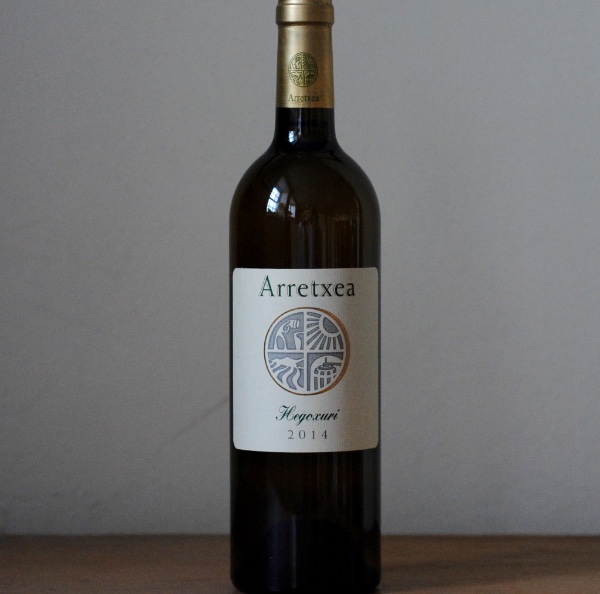
Arretxea, from the Basque ‘arre’, meaning stone and ‘xea’, house, comes from a six hectare plot planted with Gros Manseng, Petit Manseng and Courbu – the principle grapes of Jurancon – on steep terraces with sustainable vineyard husbandry and biodynamics.

Hegoxuri is hand harvested, gets a forty hour maceration on skins, followed by partial fermentation in barrique, and has the kind of remarkable golden straw colour that would excite Rumplestiltskin. This leads into a nose of exotic fruits, peaches and honeysuckle, married with full, rich and heady flavours – redolent of great white Burgundy – and marked with an outstanding nervy acidity.

These local wines, for local people, are rare gems, and whilst you have to dig a little deeper down to afford them, are a true testament to the power of geography over greed. 

Topa!
Share this:

  • Click to share on X (Opens in new window) X
  • Click to share on Facebook (Opens in new window) Facebook
  • More
  • Click to share on Pinterest (Opens in new window) Pinterest
  • Click to share on Tumblr (Opens in new window) Tumblr
Like Loading...

Freisa Good

02 Thursday May 2019

Posted by juleslewis in Wine

≈ Leave a comment

Tags

Crisopa, Freisa, Italian wine, Italy, Monferrato, Organic wine, Piemonte, Tenuta Grillo, Wine, Wine tasting

As a long term advocate of non-compliance, I love a wine that divides opinion!

Sure it’s got more than a heady whiff of the farmyard, but that never stopped anyone buying Musar.

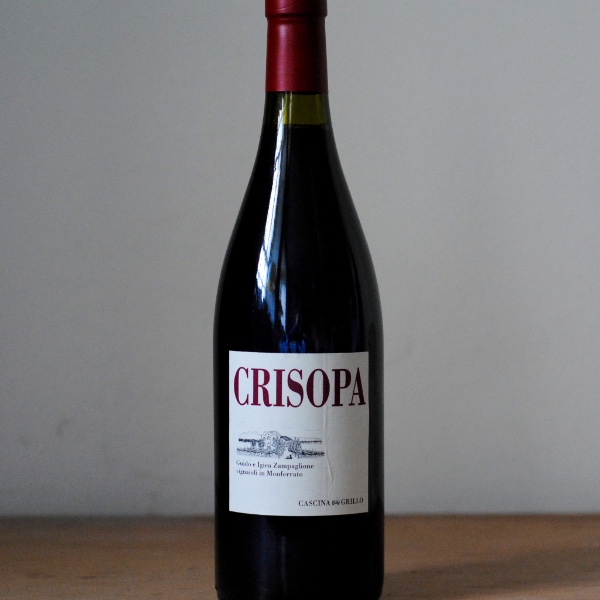
Decanting is ‘de rig’,  for a good hour before drinking, and the longer you can leave it resting, at room temp, with a bit of oxygenation, the better. This not only reduces the feral, bosky, gamey aromas, but it’s important to remember that this wine has been sitting in bottle since 2003.


Freisa in all its chunky, funky glory is a rare beast.  Robust, earthy, tannic and unafraid to speak its mind. If you’re new to Freisa, it’s first mention in Piemonte occurs around 1799 – so catch up! Burton Anderson describes it as having a kind of sweet – acidic flavour, like lightly salted raspberries. But whatever you do, don’t confuse it with Pinot Noir – that’s just too predictable dahling!  This is Freisa di Chieri, seriously small berried (unlike Freisa Grossa) with bigger phenolics and a similar structure to Nebbiolo.

Altogether now ….Freisa Good, Freisa Good..

Share this:

  • Click to share on X (Opens in new window) X
  • Click to share on Facebook (Opens in new window) Facebook
  • More
  • Click to share on Pinterest (Opens in new window) Pinterest
  • Click to share on Tumblr (Opens in new window) Tumblr
Like Loading...

Llum’s Yum

01 Wednesday May 2019

Posted by juleslewis in Wine

≈ Leave a comment

Tags

France, French wine, Grenache Gris, Le Roc des Anges, Llum, Maccabeu, Marjorie Gallet, Montner, Pyrenees-Orientales, Roussillon, Wine, Wine tasting

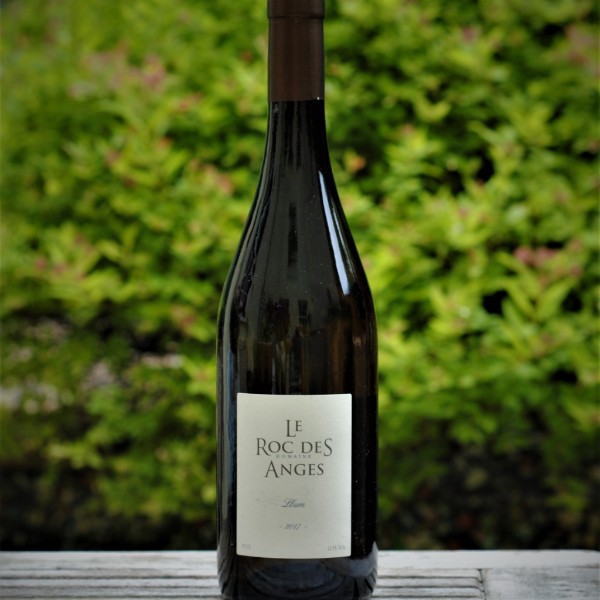
Don’t you just love it when you come across a wine that not only exceeds expectations, but positively confounds them.

Just as I was prepping my palate for a full body massage, and more fat than lean, it rocks up linear, with vibrant, yet delicate, fruit, tons of creamy complexity, an intense, and totally unexpected minerality, cut through with a rapier-like grapefruit acidity.. Don’t get me wrong, there’s plenty of pep and brio, with more than a whiff of the Southern Rhone, but hardly the norm for a white made in the brutal summer heat of the Roussillon.

Le Roc des Anges – I’ll let you work that one out – sits in the village of Montner in the Agly valley, Pyrénées-Orientales, on the northern, exposed, side – and this is the key – of Força Réal mountain. This is tough country, dry and windy with notoriously poor soil, composed of old rotten schists – we all know a few of those!

All vineyard practices are traditional – other than some leaf thinning and essential pruning the ethos is strictly non-interventionist. Majorie (Gallet) describes the wine as a work in progress – but I think she’s being modest.

Simplicity and authenticity are her watchwords. A traditional press is used, vinification is in concrete – with the shape of the tanks, and the level of the fill, determining the gentle extraction – with maturation in concrete – which enhances the aromatic purity and freshness of the wine – and wood (for about 10% of the elevage) in the form of one-to-three year old barrels.

‘Llum’ (meaning light in Catalan) is a blend of Grenache Gris 90% and Maccabeu 10% from 70 to 100 year old vines and is slow to release the full extent of its beauty, only doing so as it warms and broadens in the glass.

Far and away my white wine of the summer – Llum’s Yum!

Share this:

  • Click to share on X (Opens in new window) X
  • Click to share on Facebook (Opens in new window) Facebook
  • More
  • Click to share on Pinterest (Opens in new window) Pinterest
  • Click to share on Tumblr (Opens in new window) Tumblr
Like Loading...

Granato Foradori

30 Tuesday Apr 2019

Posted by juleslewis in Wine

≈ Leave a comment

Tags

Campo Rotaliano, Foradori, Granato, Italian wine, Teroldego, Wine, Wine tasting

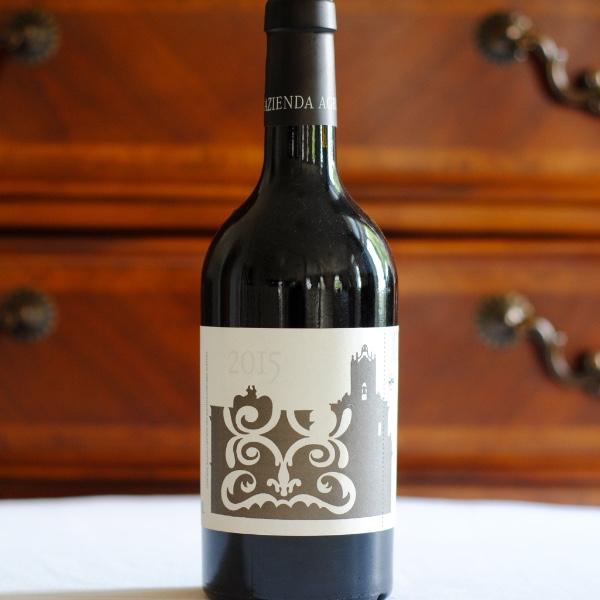
As you exit the narrow Salerno Gorge, a wide valley covered in vineyards and fruit trees opens near San Michele all Adige, this is the Campo Rotaliano home of the Teroldego grape.

The land has seen tribes and rulers come and go, Romans, Celts, Longobards, Francs, Tyroleans, Austrians, Bavarians and Italians, one of whom Nicolo da Povo was the first to mention Teroldego by name in 1383.

I know it’s just another grape you’ve never heard of, but you should take note as it has the potential to compete with the great wine grapes of Bordeaux. 

Cultivation of the grape is quite small, with around 400 hectares under vine of which about 75% is DOC. 

Elizabetta Foradori began exploring the grapes diversity back in 1985 and has thus far uncovered around 15 different biotypes which she uses for replanting. These form the qualitative backbone of her wines. Ensuring a vineyards diversity is the best guarantee of obtaining great results as you can propagate by massal selection – using field cuttings from your best vines – as opposed to clonal selection where you buy in clones from elsewhere.

The wines she makes are some of my favourite Italian reds, and if I ever feel a little down in the dumps, they serve as a restorative elixir causing my sense of humour to return, and a sweet little smile of satisfaction spreads across my ugly mug. 

Granato, Vigneti delle Dolomiti Rosso IGT, to give it its full title, is a noble beast. Deep, almost shy at first, it opens to give smells of wild berries, roasted hazelnuts, baked bread, tar and a herby eucalyptus quality that makes you feel you have just brushed up against the vine rows. The grapes are vinified separately and blended to achieve balance and concentration after long ageing in old wood. It is a dignified wine, pure and intense, changing in the glass each time you nose, and from sip to sip. Soft yet penetrating, the sweet fruit balanced with a supporting acidity that weaves its way through the wine like the wind in the mountains.

Romantic or what? You won’t get that kind of wordsmithery in the Sunday Papers.

Share this:

  • Click to share on X (Opens in new window) X
  • Click to share on Facebook (Opens in new window) Facebook
  • More
  • Click to share on Pinterest (Opens in new window) Pinterest
  • Click to share on Tumblr (Opens in new window) Tumblr
Like Loading...

‘A Walk On The Wild Side’

26 Friday Apr 2019

Posted by juleslewis in Wine

≈ Leave a comment

Tags

Aveyron, Clairvaux, Fer Servadou, France, French wine, Jean Luc Matha, Lou Reed, Mansois, Marcillac, Peirafi, red wine, Rodez, Wine, Wine tasting

793cd080-0322-45a4-9889-66579f1f4ec5


The wine market is a dangerous place to be right now, especially when 99% of products are imported and reliant on the relative strengths and weaknesses of the currencies from whence they come. If you lob a grenade on the value of those key currencies, you have to adapt quickly.

Do you offset the collapse of sterling, continuous inflationary rises and duty, by buying cheaper plonk, or do you accept that you have to drink less but better.

Personally, I don’t think that good wine is expensive, not because I’m rich, but when a couple of cappuccinos cost six quid and a pint of craft ale almost the same, expecting a naturally made, labour intensive, product like wine to cost just a few pence more is living in ‘La La Land’ – to quote a popular movie.

If I’m being forced to pay more for my wine, I don’t want that extra money to go on a factory made brand, I want to drink something distinctly different and jolly hard to get.

Let’s – in the words of the late, great Lou Reed – take a walk on the wild side.

Marcillac is a tiny, obscure, appellation near Clairvaux in Aveyron, north of Rodez,comprising some eight growers making wines exclusively from the Mansois grape, otherwise known as Fer Servadou.

For almost a thousand years vineyards were the base of the regions economy until they were devastated by phylloxera in the 1860’s. 

The style and, more importantly, the philosophy of the wines are closely connected with the area. Violet tinted, brilliantly fresh reds packed with redcurrant fruit, and an underlying, almost medicinal quality. The medieval citizens of Rodez used to drink Marcillac for their health because it was preferable to the local water.

Peirafi is Jean Luc Matha’s special cuvee based on rigorous selection of old vines fermented in open tanks then aged in well seasoned foudres for 20 months. It’s a big mouthful of forest fruits, spices and an almost mineral acidity, angular and refreshing with a sort of haunting earthiness.

Jean Luc says ‘I love working with the vine up on the hill. And just before I come down, I like to watch the sunset and see how the colours change….I breath and listen to the sounds around me…I am in the midst of nature and feel completely content. The earth, the vine, the frost, the rain and the sun. That, for me, is the beauty of winemaking.’
 

Now, that’s got to be worth more than a couple of coffees!

Share this:

  • Click to share on X (Opens in new window) X
  • Click to share on Facebook (Opens in new window) Facebook
  • More
  • Click to share on Pinterest (Opens in new window) Pinterest
  • Click to share on Tumblr (Opens in new window) Tumblr
Like Loading...

‘Cos, I Love You’ – reprise

25 Thursday Apr 2019

Posted by juleslewis in Wine

≈ Leave a comment

Tags

Cos, Italy, Nero d'Avola, Nero di Lupo, Sicily, Wine, Wine tasting

It’s a gloriously sunny, Easter Day and I’m walking the dog and thinking of what to open with Sunday lunch. There’s a leg of lamb, slowly roasting, on a bed of potatoes with enough garlic to keep the vampires at bay and it requires something good, honest and earthy – with some lively zip n’ grip – and due to the numbers involved, I’m going to need more than a few bottles!

Less than thirty years ago, the vineyards south east of the province of Ragusa, around the town of Vittoria in Sicily, were in dire need of some of Joan Armatrading’s love and affection. In a seemingly irreversible spiral of decline, they had fallen victim to controversial wine laws – still enforced today – which resulted in buyers rejecting the more delicate wines in favour of over mature fruit to add weight to their blends.

These wines would still be unheard of today, were it not for the efforts of individuals like, Giusto Occipinti.

On a shoestring budget, he and two friends began to vinify grapes from their parents and neighbours’ vineyards, buying in used French barrels, in which to age their wines. By the late 1980’s they had started to invest in new oak barriques inspired by the wines of California’s Napa Valley.

But guess what? The resulting wines just didn’t taste authentic. Realising that you sometimes have to go backwards to go forwards they started to re-taste some of their earliest bottlings and were shocked at the difference.

The wines, aged in old oak, were earthy and herbaceous, with a fresh acidity unmarked by the vanilla polish of new oak. By the mid 90’s, when everyone else was investing heavily in new oak, Giusti and his friends were ditching theirs and moving from cement to amphora in the search to reveal the purest expression of their vines

Cos do not use selected yeast strains and have never used chemicals in their vineyards ‘Our goal is to make wines that express our great terroir, not to impress wine critics’.

Don’t expect big or robust wines from Cos, these are delicate, sometimes ethereal wines. Sharp, spiky, edgy, mineraly, ripe but not overripe, rich but not over-extracted. Pretty wines in a nutshell. Fresh, lively, floral and aromatic – even the reds have a distinctly flinty note. They sit lightly on the palate, vibrant and earthy, the antithesis of the much overused term ‘smooth’ – the wine equivalent of ‘tasty’.

Nero di Lupo is 100% unfiltered Nero d’Avola. Fermented in cement vats and aged for 24 months in tank and bottle, full of rich, earthy, leathery fruit flavours, a touch of spice and a rasp of the great outdoors.

That’s Sunday sorted. Spread the love.


Share this:

  • Click to share on X (Opens in new window) X
  • Click to share on Facebook (Opens in new window) Facebook
  • More
  • Click to share on Pinterest (Opens in new window) Pinterest
  • Click to share on Tumblr (Opens in new window) Tumblr
Like Loading...

‘Remembrance Of Things Past’

25 Thursday Apr 2019

Posted by juleslewis in Wine

≈ 2 Comments

Tags

Campari, Negroni Sbagliato, Vermouth, Wine, winetasting

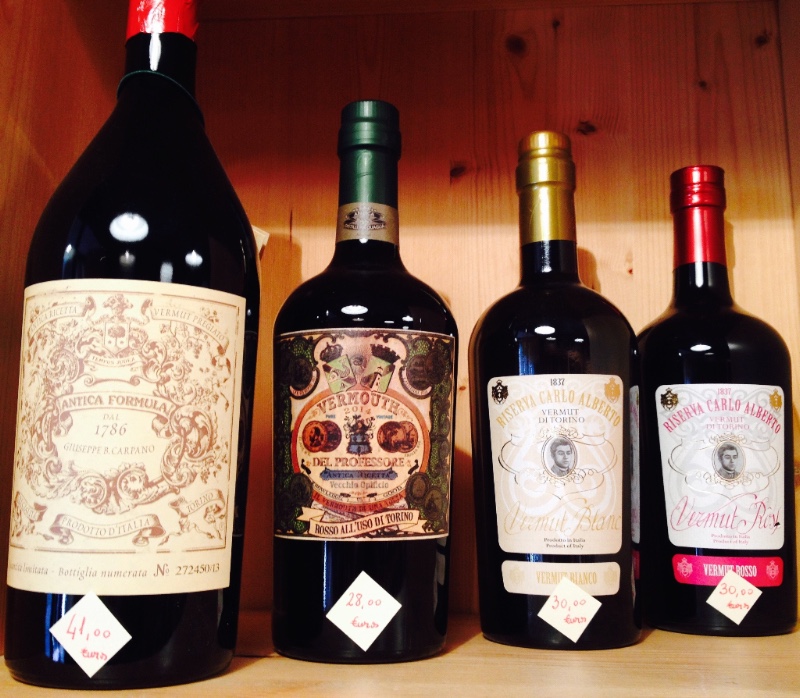
Let’s face it, Vermouth is an old school aperitif. Beloved of James Bond and Leonard Rossiter  it sits neglected in the drinks cabinet of the past, along with Blue Bols and Tia Maria.

Now some things, need to remain in the past; Mateus Rose, Yugoslav Laski Riesling, Afghan Coats, Loon Pants and Babycham – but Vermouth does not, and despite our current obsession with everything Gin, it remains a staple of any hipster mixologist’s arsenal. 

So what is it? Although uncertain, the name probably derives from the German Wermuth, meaning ‘wormwood’ or absinthe. Originally prepared by the Romans, who called it Absinthiatum, it should be made from a wine base, at least 75%, have an alcoholic strength of between 14.5% and 22% – from the addition of alcohol – and must be flavoured with Artemesias or another member of the species.

Most folk came across it through brands like Martini, Cinzano and Noilly Prat and it generally soaked up the entire production of Picpoul. Anyone who loves a Negroni should be familiar with it, but what many of you may not know is that it is great on its own, over ice, with a wedge of orange or even topped up with a splash of Prosecco and Campari as a Sbagliato.

After a sipping Vermut, in Spain, I wanted a remembrance of times past – even if I was wearing a woolly jumper and shivering in the garden – so imagine my surprise on failing to find a single decent bottle in my home town! 

‘Oh no one drinks that stuff anymore’ I was reliably informed by a local independent merchant.

Well, like Johnny Hates Jazz, its time to turn back the clock!  and reacquaint ourselves with this delicious, delightful, but sadly neglected drink!

Share this:

  • Click to share on X (Opens in new window) X
  • Click to share on Facebook (Opens in new window) Facebook
  • More
  • Click to share on Pinterest (Opens in new window) Pinterest
  • Click to share on Tumblr (Opens in new window) Tumblr
Like Loading...

‘Greece Is The Word’

24 Wednesday Apr 2019

Posted by juleslewis in Wine

≈ Leave a comment

Tags

Geece, Greek wine, Kefalonia, Robola, Sclavos, Vino di Sasso, Wine, Wine tasting

Retsina aside Greek wine has never been, nor ever will be, mainstream.

This may, ironically, be a good thing, as there isn’t much of it to go around.

An adventurous few may be vaguely familiar with the Assyrtiko of Santorini, but I’ll bet my Byzantine Bouzouki you’ve never heard of the Robola of Cephalonia. 

The Sclavos family’s Vino di Sasso (wine from the stone) is 100% organic, hand harvested, Robola, from ungrafted vine stock, on precarious limestone scree, from the slopes of Kefalonia’s Black Mountain (Ainos). 
Biodynamic methods have been employed for the last 20 years and the vineyard is accredited by the DIO.
Vinification is with indigenous yeasts, and maturation is for one year in Allier oak barrels. The wines are bottled without filtration, or fining, and no sulphur is added, except in wetter vintages (and even then, only in very small quantities).

So, what’s it taste like?

Well, it’s got plenty of ooomph– which belies it’s 12.5% alcohol – and a broad, creamy, malo mouthfeel that’s cut through with a fresh, spritzy, flintiness. There’s also the kind of herby, scrubby, garrigue-like feel – together with a smidge of pepper – that reminds you of good white Rhone, together with a bitter almond finish redolent of Italy’s Ribolla Gialla – which (despite the odd assertion) is no genetic relation.

As Frankie Valli would say …. ‘Greece is the Word’

Share this:

  • Click to share on X (Opens in new window) X
  • Click to share on Facebook (Opens in new window) Facebook
  • More
  • Click to share on Pinterest (Opens in new window) Pinterest
  • Click to share on Tumblr (Opens in new window) Tumblr
Like Loading...

‘Hotter Than Greece’

23 Tuesday Apr 2019

Posted by juleslewis in Wine

≈ Leave a comment

Tags

Aidani, Andrew Jefford, Assyrtiko, Greece, Hatzidakis, Santorini, Wine, winetasting

Here in the UK, we’re extremely fond of weather comparisons: Best summer since? hottest day since? most rainfall since etc, etc. It not only gives us something to talk about, but currently helps take our minds off Brexs**t!

The recent UK weather has been pretty spectacular, so I’ve been tucking into some of this!

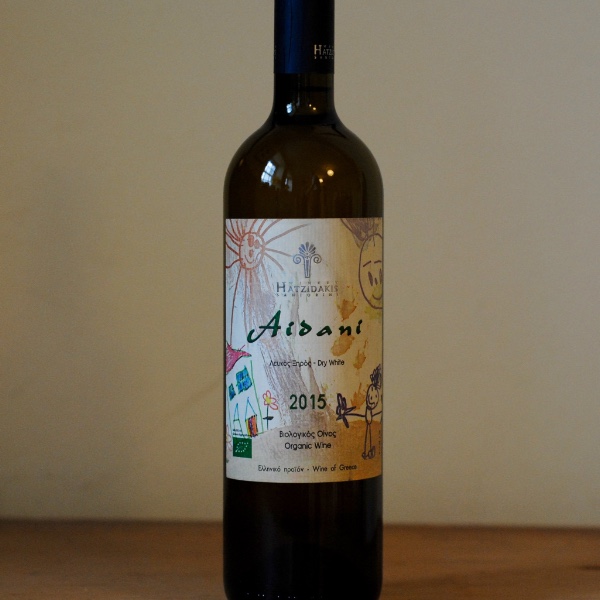
Initially, I thought there might be a smidge of Assyrtiko in it – due to a hint of fennel – but it is 100% Aidani, in all it’s peachy, muscaty glory. Fleshy, warm and chock full of rose and apricot flavours, each glug makes the sky seem that much brighter and the view from the terrace that much more like the Durrells.

Hatzidakis wines are perched on the outskirts of the village of Pyrgos Kallistis at a height of 150-300 metres facing nor nor-east – how’s that for seafaring slang – The vines are super gnarly, curled into bird’s nest shapes, on the bare ashy soil, to shelter the fruit from the strong winds coming off the sea.

The Aidani grapes, from non-irrigated, ungrafted, organic old vines, are given some skin, for around twelve hours, before fermentation and maturation in stainless steel, to give a peppery, pin sharp, lushly aromatic, pale yellow white that just oozes class.

And if that wasn’t romantic enough, I’m going to leave you with a snippet about Santorini, from my favourite wine writer Andrew Jefford – a man who, to my knowledge, has never used the word ‘smooth’ when describing a wine!

“Few wines taste of disaster and catastrophe… . It is, for me, the most pronounced vin de terroir in the world. In no other wine can you smell and taste with such clarity the mineral soup and bright sunlight which, gene-guided, structures the grape and its juice. As an unmasked terroiriste, there was no vineyard I was keener to visit… 

Definitely hotter than Greece!

Share this:

  • Click to share on X (Opens in new window) X
  • Click to share on Facebook (Opens in new window) Facebook
  • More
  • Click to share on Pinterest (Opens in new window) Pinterest
  • Click to share on Tumblr (Opens in new window) Tumblr
Like Loading...

Le Vigne D’Albert

23 Tuesday Apr 2019

Posted by juleslewis in Wine

≈ Leave a comment

Tags

Arbouriou, Bergerac, Cot, Fer, France, Garonne, Luc de Conti, Wine, winetasting

An Alsatian once said – that’s a native of Alsace, not the dog – ‘Each man has two countries, his own and France’ and much as I love the wines of Italy, France was my first love.

When I go in search of some, much needed, purity and truth – sadly lacking in today’s world – it’s that first sentient experience that I’m trying to replicate, harking back to callow youth, when wine, and indeed life, was nothing but pure pleasure, until forced to grow up, conscious of the need to judge, select, codify, dissect and provide either a score or a medal.

This is a wine that takes me back in time, to those very first vintages worked around Bergerac and the middle Garonne, when flavours and sensations were the absolute antithesis of the over-sweetened, aggressively alcoholic, monsters of today.

It’s not rocket science, just that there’s a lot less profit for the investment made and time spent. The key is the encouragement of the maximum expression of the potential of the grapes in the vineyard. Caring for the soil – so that it isn’t a cadaver – nourishing with biodynamic treatments to encourage microbial activity. Manual, rather than machine, harvesting and selection of only the ripest grapes, only releasing a wine if it meets with the highest of standards, and changing the blend according to the physiological ripeness of the grapes.

I love the wines of Luc de Conti, and Le Vigne d’Albert is a lovely addition with a nod to tradition. Guillaume de Conti’s homage to his grand-pere, Albert. It’s made from a cepage historic to the region, harvested together, from a small parcel of vines planted, by Albert, some 60 years ago. These include Mérille (aka Périgourd); Arbouriou, Fer, Côt (Malbec) and others – all massale selected (look it up wine nerds) – fermented with hometown yeasts, left for six months on lees and zero sulphur.

The young man who grew up to be me would have recognized it, I’m sure Albert would too. I’ll leave it for you to decide.

A la votre!

Share this:

  • Click to share on X (Opens in new window) X
  • Click to share on Facebook (Opens in new window) Facebook
  • More
  • Click to share on Pinterest (Opens in new window) Pinterest
  • Click to share on Tumblr (Opens in new window) Tumblr
Like Loading...
← Older posts
Newer posts →

Recent Posts

  • King Harvest…has surely come
  • A Fold in the Map
  • Some little light
  • A Death in the Family
  • Stakes & Stones

Recent Comments

Rob Whitta's avatarRob Whitta on King Harvest…has surely…
Rob Whitta's avatarRob Whitta on A Fold in the Map
bartonsindevon's avatarbartonsindevon on A Fold in the Map
Rob Whitta's avatarRob Whitta on A Death in the Family
bartonsindevon's avatarbartonsindevon on A Death in the Family

Archives

  • October 2024
  • September 2023
  • June 2023
  • May 2019
  • April 2019
  • August 2018
  • December 2016
  • July 2016
  • May 2016
  • February 2016
  • January 2016
  • August 2015
  • March 2015
  • February 2015
  • December 2014
  • October 2014
  • September 2014
  • August 2014
  • July 2014
  • June 2014
  • May 2014
  • March 2014
  • February 2014
  • January 2014
  • December 2013
  • November 2013
  • October 2013
  • September 2013
  • August 2013
  • July 2013

Categories

  • Art
  • Books
  • Food
  • Musings
  • Skate
  • Surf
  • Travel
  • Wine

Enter your email address to follow this blog and receive notifications of new posts by email.

Meta

  • Create account
  • Log in
  • Entries feed
  • Comments feed
  • WordPress.com

Create a free website or blog at WordPress.com.

Privacy & Cookies: This site uses cookies. By continuing to use this website, you agree to their use.
To find out more, including how to control cookies, see here: Cookie Policy
  • Subscribe Subscribed
    • thesprezzaturist
    • Join 89 other subscribers
    • Already have a WordPress.com account? Log in now.
    • thesprezzaturist
    • Subscribe Subscribed
    • Sign up
    • Log in
    • Report this content
    • View site in Reader
    • Manage subscriptions
    • Collapse this bar
 

Loading Comments...
 

    %d